
Enterprise Contract Automation: Transforming Document Workflows at Scale
Enterprise contract automation represents a fundamental shift in how large organizations manage their document-intensive workflows. For businesses processing thousands of agreements annually, manual contract management processes create bottlenecks that拖慢 operational efficiency and introduce compliance risks. Automated contract workflows address these challenges by digitizing every stage of the agreement lifecycle from initiation through execution and ongoing management.

Understanding Enterprise Contract Automation
Enterprise contract automation encompasses the use of technology to streamline and partially or fully execute repetitive tasks within the contract lifecycle. This includes automatic routing of documents for approval based on predefined business rules, intelligent data extraction from incoming contracts, automated deadline tracking and renewal notifications, and seamless integration with electronic signature services to enable fully digital agreement execution.
The scale at which large enterprises operate makes automation not merely a convenience but a operational necessity. A multinational corporation with operations across thirty countries may execute thousands of vendor agreements, employment contracts, and customer terms annually. Processing each of these through manual workflows would require enormous administrative overhead and introduce significant risk of errors and compliance gaps that could expose the organization to legal and financial penalties.
Key Components of an Automated Contract Workflow
A comprehensive contract automation system integrates several critical components that work together to manage agreements from creation through archival. Document generation capabilities enable automatic population of contract templates with data from upstream systems such as CRM, ERP, or procurement platforms. Approval routing engines automatically direct documents to the appropriate stakeholders based on dollar thresholds, contract types, or geographic considerations.
The electronic signature integration layer ensures that approved contracts can be executed digitally without requiring physical presence or paper-based processes. Advanced platforms support multiple signature standards including Simple Electronic Signatures (SES), Advanced Electronic Signatures (AES), and Qualified Electronic Signatures (QES) to meet varying assurance requirements across different transaction types and jurisdictions.
Organizations implementing contract automation typically achieve 60-80% reductions in processing time and up to 90% reductions in error rates compared to manual workflows.
Integration with Business Systems
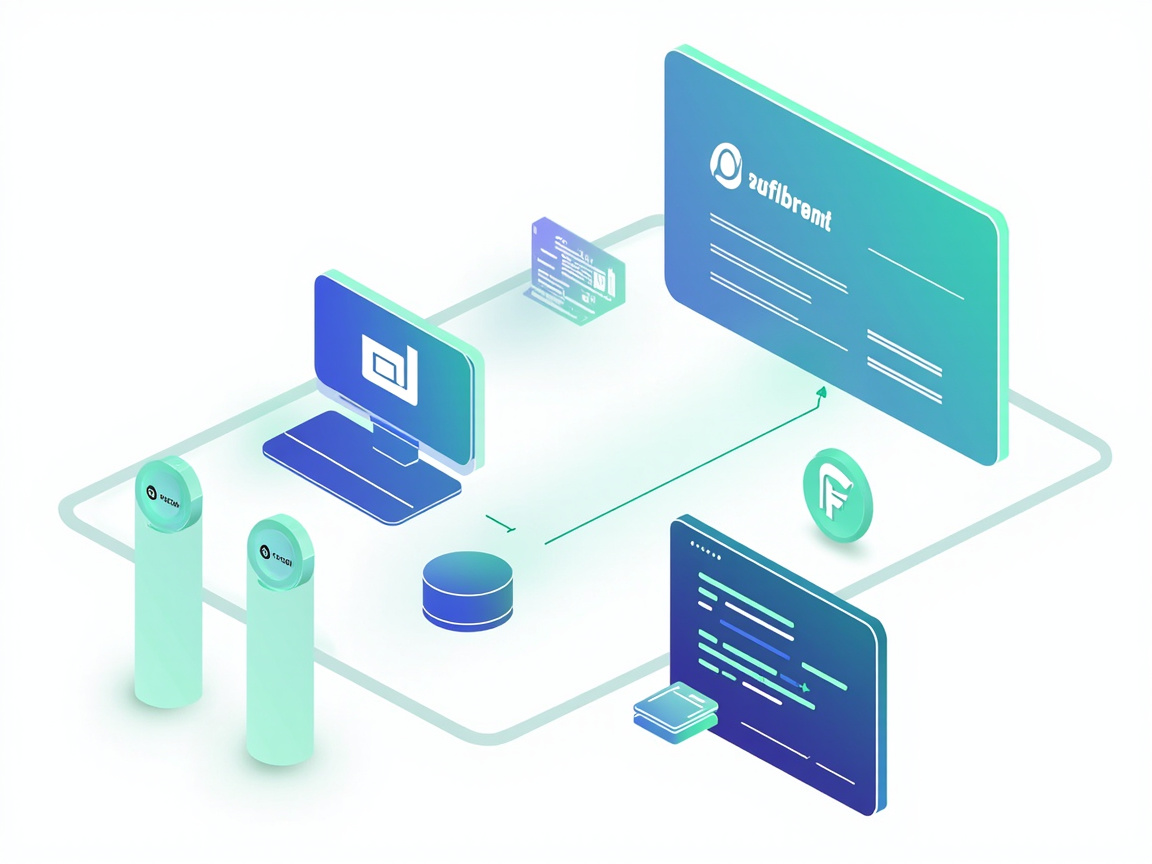
The true power of enterprise contract automation emerges when the contract management system is integrated with the organization’s broader technology ecosystem. CRM integration enables automatic contract generation when sales opportunities close, with customer-specific terms and pricing populated from the sales record. ERP integration ensures that vendor contracts are automatically recorded in financial systems for proper accounting and payment processing.
Procurement systems benefit from automation by enabling purchase order contracts to flow directly from requisition approval through signature execution without manual intervention. Human Resources systems can automate employment contract generation and onboarding documentation, ensuring that new hires complete required agreements before their start dates. These integrations eliminate the data silos that plague manual processes and ensure that all systems remain synchronized as agreements evolve.
Compliance and Audit Trail Management
Regulated industries face particular challenges in maintaining audit-compliant contract management processes. Financial services firms, healthcare organizations, and government contractors must demonstrate that their agreement processes satisfy specific regulatory requirements. Contract automation platforms address these needs by maintaining comprehensive audit trails that document every action taken on each agreement throughout its lifecycle.
The audit trail documentation generated by automated systems typically includes timestamps for all workflow steps, identity verification records for signers, hash values demonstrating document integrity, approval delegation records, and modifications made to contract terms. This immutable record serves as evidence in regulatory examinations and internal audits, significantly reducing the compliance burden associated with manual processes.
Choosing the Right Automation Platform
When evaluating contract automation platforms, enterprises should consider several critical factors beyond basic functionality. API capabilities determine how easily the platform can integrate with existing systems and adapt to future technology investments. The range of supported signature standards affects the types of agreements that can be executed and the jurisdictions where they will be legally enforceable.
Scalability is particularly important for organizations with high-volume contract operations. The platform must be able to handle peak transaction volumes without performance degradation while maintaining the audit integrity that regulated industries require. AbroadSign’s enterprise platform is designed specifically for high-volume, cross-border contract operations, with the scalability and compliance capabilities that multinational organizations need.
Essential Platform Capabilities
- Template management with conditional logic for complex contract scenarios
- Configurable approval workflows with delegation and escalation rules
- Multi-standard electronic signature support across global jurisdictions
- Comprehensive audit trail with tamper-evident documentation
- RESTful API for seamless integration with enterprise systems
- Role-based access controls aligned with organizational structures
Implementing Contract Automation Successfully
Successful contract automation implementations typically follow a phased approach that begins with mapping existing manual processes and identifying the highest-impact automation opportunities. Organizations should prioritize contracts with high volume and well-defined templates, as these provide quick wins that build organizational confidence in the new system. Once the team has gained experience with basic automation, more complex scenarios can be addressed.
Change management is a critical success factor that many organizations underestimate. Automation changes the roles and responsibilities of personnel who have performed manual contract processes for years. Effective training programs and clear communication about how automation improves rather than threatens job roles help ensure smooth transitions and user adoption.
Transform Your Contract Operations
AbroadSign’s enterprise contract automation platform provides the comprehensive capabilities that large organizations need to digitize their agreement workflows. From template management and approval routing to cross-border electronic signatures and comprehensive audit trails, our platform supports the full contract lifecycle in a single integrated system.
See how AbroadSign can streamline your enterprise contract workflows. Contact our enterprise sales team to schedule a personalized demonstration of our automation capabilities.