
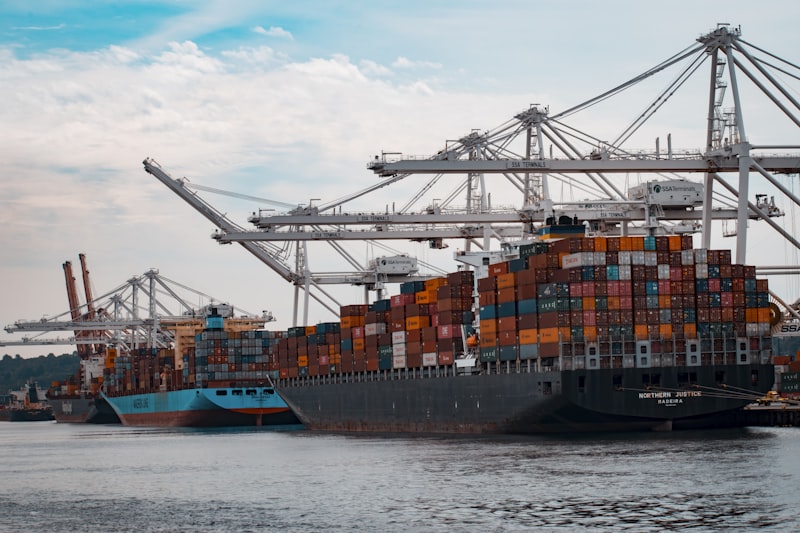
Incoterms 2020 (International Commercial Terms) are the official rules published by the International Chamber of Commerce (ICC) that define the responsibilities of buyers and sellers in international trade transactions. These standardized terms are used worldwide to clarify who bears the risk, cost, and responsibility for goods at various stages of the shipping process. Understanding Incoterms 2020 is essential for anyone involved in import-export operations, as they directly affect pricing, insurance requirements, and liability allocation.
Overview of Incoterms 2020 Categories
The Incoterms 2020 rules are organized into two main categories based on the point of delivery and the obligations they create for each party. Understanding these categories helps traders select the appropriate terms for their specific transactions and relationships with trading partners.
Rules for Any Mode or Modes of Transport apply regardless of how the goods are shipped. These terms can be used for sea freight, air freight, road transport, or multimodal shipments. The remaining rules apply specifically to sea or inland waterway transport, where the point of delivery and risk transfer occurs at the ship’s rail.
Incoterms 2020 provide a common language for international trade, ensuring that buyers and sellers around the world understand their respective obligations without ambiguity.
— International Chamber of Commerce
Key Incoterms 2020 Rules and Their Implications
There are 11 Incoterms 2020 rules, each with specific implications for risk allocation, cost distribution, and operational requirements. Below is a comprehensive overview of the most commonly used terms and their practical applications in international trade operations.
| Term | Full Name | Risk Transfer Point | Buyer Obligations |
|---|---|---|---|
| EXW | Ex Works | Seller’s premises | Loading, transport, customs |
| FCA | Free Carrier | Carrier’s premises | Main carriage, insurance |
| CPT | Carriage Paid To | Carrier’s premises | Insurance, destination duties |
| CIP | Carriage Insurance Paid | Carrier’s premises | Destination duties |
| DAP | Delivered at Place | Destination | Unloading, customs |
| DPU | Delivered at Place Unloaded | Unloaded at destination | Customs, duties |
| DDP | Delivered Duty Paid | Buyer’s premises | Nothing (seller pays all) |
Major Changes from Incoterms 2010
Incoterms 2020 introduced several important changes that reflect evolving trade practices and address gaps identified in the previous version. These modifications affect how businesses structure their contracts and allocate responsibilities between trading partners.
- DPU Term: The new Delivered at Place Unloaded (DPU) term replaces the former Delivered at Terminal (DAT) and specifically requires the seller to unload goods at the destination, addressing confusion about terminal handling responsibilities.
- Insurance Requirements: Under CIP terms, sellers are now required to obtain insurance coverage at minimum 110% of the contract value, matching the higher standard previously only applicable to CIF shipping terms.
- Cost Allocation: Clarifications were added regarding who bears costs for security-related requirements, including container scanning and security clearances that have become more common in post-9/11 trade environments.
- Stringed Bills of Lading: Additional guidance was provided for situations involving stringed bills of lading, where a single document is transferred multiple times during transit.
The 2020 revision also includes improved explanatory guidance and user-friendly format changes that make the rules more accessible to practitioners who are new to international trade documentation.
Choosing the Right Incoterms for Your Business
Selecting appropriate Incoterms requires careful consideration of multiple factors including your relationship with the buyer, the competitive landscape, and your operational capabilities. The following guidelines can help you make informed decisions that protect your interests while remaining competitive in the marketplace.
- Assess Your Capabilities: Evaluate whether you have the logistics infrastructure to handle certain obligations. A seller with strong freight forwarding relationships may be able to offer competitive pricing on CIF or CFR terms.
- Consider Market Position: In competitive markets, sellers may need to absorb more transportation costs to win business. Conversely, in seller’s markets, buyers may accept more responsibility to secure supply.
- Understand Regulatory Requirements: Some countries require specific Incoterms for customs purposes or have import restrictions that affect which terms are practical to use.
- Match Terms to Relationships: Established relationships with trusted partners may allow for more flexible terms, while new relationships may require more conservative approaches to risk management.
Digital Documentation and Incoterms
The digital transformation of trade documentation has implications for how Incoterms operate in practice. Electronic bills of lading, digital signatures, and blockchain-based tracking systems are increasingly compatible with Incoterms arrangements, though parties should ensure their contracts specifically address digital documentation acceptance.
- Electronic Bills of Lading: Under Incoterms 2020, parties can agree to use electronic bills of lading where permitted by applicable law, enabling faster document processing and reduced fraud risk.
- Digital Tracking: Modern tracking technologies provide visibility into shipment location that complements the delivery point requirements in Incoterms arrangements.
- Automated Compliance: Digital platforms can help verify that goods meet the requirements specified in sales contracts governed by particular Incoterms.
To learn more about how digital documentation fits within international trade frameworks, visit our Digital Signatures Guide or explore our trade solutions for comprehensive document management capabilities.
Conclusion
Incoterms 2020 remain essential knowledge for anyone engaged in international trade. These standardized terms provide the framework for clear communication between trading partners and help allocate risks and responsibilities in a predictable manner. By understanding these rules and selecting appropriate terms for each transaction, businesses can reduce disputes, improve operational efficiency, and build stronger relationships with their trading partners.