
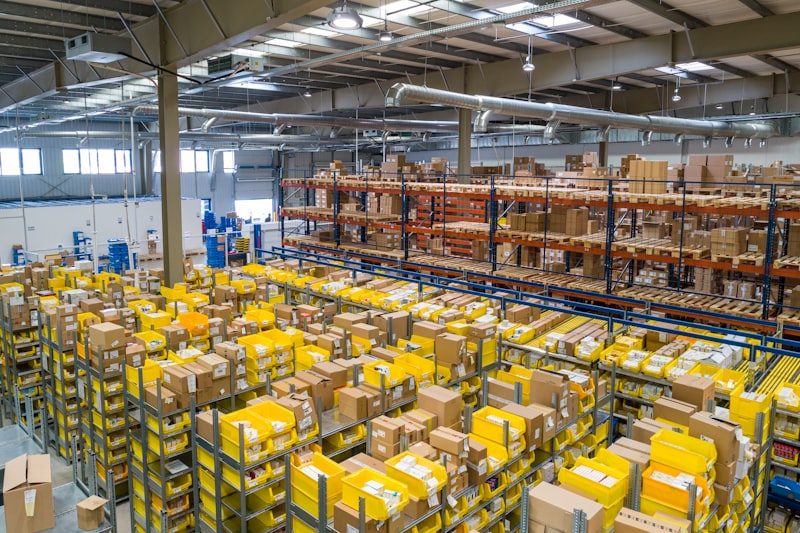
Global supply chains have become extraordinarily complex networks spanning continents, time zones, and regulatory jurisdictions. A single product might involve raw materials from mining operations in Australia, component manufacturing in Vietnam, final assembly in Mexico, and distribution to customers throughout North America. Managing the documentation that accompanies this flow of goods—purchase orders, invoices, shipping documents, customs declarations, certificates of origin, and quality certifications—represents one of the most significant operational challenges facing international businesses today.
Deloitte research indicates that supply chain documentation costs average 20% of logistics expenses, with digital transformation potentially reducing these costs by up to 70% while dramatically improving accuracy and speed.
The Documentation Challenge in Modern Supply Chains
Supply chain documentation serves multiple critical functions: it establishes the terms of commercial relationships, provides evidence of title and ownership, satisfies regulatory requirements imposed by various governments, enables financial transactions through banks and other intermediaries, and creates records that are essential for dispute resolution and audit compliance. When documentation fails—whether through errors, delays, or outright loss—the consequences ripple through the entire supply chain, potentially stopping production, triggering penalty clauses, and damaging commercial relationships that took years to develop.
Core Supply Chain Documents
- Commercial Invoice: The seller’s itemized statement to the buyer, serving as the primary document for customs valuation and payment.
- Bill of Lading: Document of title that evidences the contract of carriage and enables the receiver to claim goods from the carrier.
- Packing List: Itemized contents of each shipment, enabling customs inspection and receiver verification of contents.
- Certificate of Origin: Certified statement of where goods were manufactured, determining applicable tariff rates under trade agreements.
- Customs Declaration: Formal statement to customs authorities providing details of imported goods and their valuation for duty assessment.
Digital Transformation of Supply Chain Documentation
Digital transformation of supply chain documentation involves more than simply converting paper documents to electronic formats. True digitization fundamentally reimagines how documentation is created, transmitted, validated, and archived, leveraging technology to eliminate manual touchpoints, reduce errors, accelerate processing, and create audit trails that support compliance and dispute resolution. The goal is not incremental improvement but transformative change that enables supply chain agility, resilience, and efficiency.
| Documentation Phase | Traditional Process | Digital Process | Efficiency Gain |
|---|---|---|---|
| Document Creation | Manual data entry from multiple sources | Automated extraction from connected systems | 80% time reduction |
| Signature Collection | Physical courier or email with delays | Electronic signatures in minutes | 95% time reduction |
| Document Transmission | Courier services, 2-10 days | Instant electronic delivery | Near 100% time reduction |
| Validation and Approval | Paper-based review queues | Automated workflow routing | 70% time reduction |

Regulatory Compliance and Supply Chain Documentation
Supply chain documentation must satisfy the requirements of multiple regulatory frameworks simultaneously. Customs authorities require accurate valuations and classifications to assess duties correctly. Export control agencies need documentation proving that restricted items are not being shipped to prohibited destinations. Financial regulators require records that support anti-money laundering compliance. Each requirement adds complexity to the documentation process, and failure to meet any single requirement can result in shipment delays, fines, or in severe cases, criminal prosecution.
Digital supply chain documentation enables compliance as a continuous process rather than a periodic audit activity, dramatically reducing risk while improving operational efficiency across the entire supply chain.
AbroadSign Solutions for Supply Chain Documentation
AbroadSign provides digital signature and document workflow infrastructure purpose-built for supply chain documentation requirements. Our platform handles the complete lifecycle of supply chain documents, from initial creation through final signature and archive, supporting the complex multi-party workflows that characterize international supply chains. Our supply chain-specific capabilities include integration with major ERP and logistics platforms, multi-language support for global operations, and comprehensive audit trails that satisfy customs and regulatory requirements.
Conclusion
Supply chain documentation digitization represents a fundamental transformation in how international businesses manage the flow of goods and the associated paperwork. The efficiency gains, accuracy improvements, and compliance benefits create substantial competitive advantages for organizations that execute well. While implementation challenges are real, the cost of inaction is increasingly difficult to justify in a competitive global market.
Ready to transform your supply chain documentation? Explore AbroadSign’s supply chain solutions and discover how our platform can accelerate your operations while ensuring full compliance.
For additional resources, explore our guides on document workflow automation and secure document management.
External Resources
- World Trade Organization – Trade facilitation and supply chain standards
- U.S. Customs and Border Protection – Supply chain security programs