
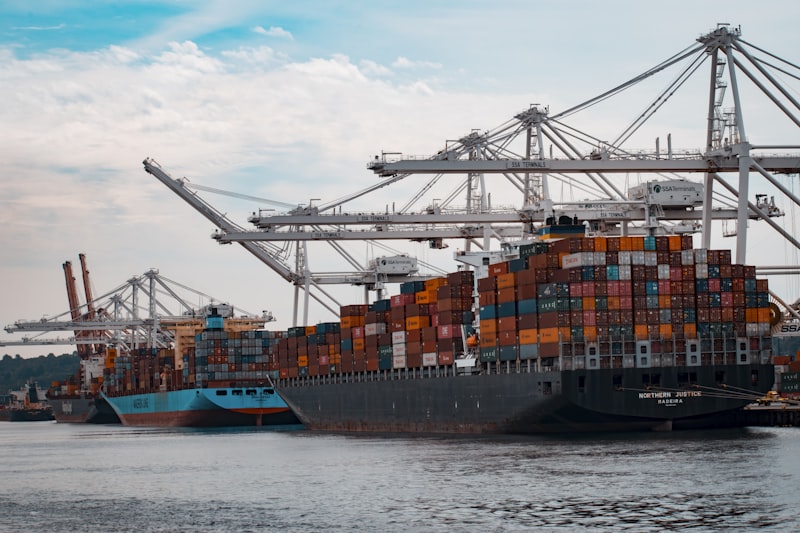
Freight forwarders are the connective tissue of global trade, coordinating shipments across multiple carriers, customs authorities, ports, and warehouses while managing documentation that must satisfy regulators in every country a shipment traverses. The volume and complexity of these documents—bills of lading, customs declarations, certificates of origin, cargo insurance certificates, delivery orders, and warehouse receipts—make freight forwarding one of the industries most urgently in need of digital transformation through electronic signatures. Every hour spent printing, signing, scanning, and couriering paper documents is an hour that delays shipments and erodes the competitive position of freight forwarders competing in time-sensitive markets.
The Documentation Burden in International Freight Forwarding
International freight forwarding involves an extraordinary range of documents that must be signed, certified, and presented to dozens of counterparties throughout a shipment’s journey. A single container moving from a manufacturer in Guangdong to a retailer in Rotterdam may require a commercial invoice, packing list, bill of lading, certificate of origin, customs declaration, cargo insurance certificate, phytosanitary certificate, and delivery order—each potentially requiring signatures from different parties in different countries, each governed by different regulatory frameworks, and each carrying different legal consequences if executed improperly or delayed.
The traditional response to this documentation burden has been to throw human resources at the problem: teams of operations staff managing mountains of paperwork, expediting signatures from principals who may be on the other side of the world, and chasing documents through courier networks that introduce their own delays and risks. This approach is not sustainable as shipment volumes grow and supply chain speed expectations increase. The freight forwarders that will win in the coming decade are those that replace these manual workflows with digital signing processes that compress document cycle times from days to minutes while maintaining or improving regulatory compliance.
The average international freight shipment involves 30-40 documents, each requiring an average of 2.5 signatures from parties in different locations. Electronic signatures collapse this timeline from days to hours while creating auditable, legally defensible records for every signing event.
Key Documents That Freight Forwarders Can Digitize Today
Not all freight forwarding documents are equally ready for digital transformation, but several categories have advanced far enough in regulatory acceptance and industry adoption that freight forwarders can digitize them immediately with confidence. Understanding which documents are ready—and what conditions must be satisfied for each—allows forwarders to prioritize their digital transformation initiatives for maximum impact on operational efficiency and competitive positioning.
| Document Type | Digital Status in 2026 | Key Jurisdictions Accepting e-Signatures | Notes |
|---|---|---|---|
| Bill of Lading (eBL) | Widely Adopted | EU, USA, Singapore, UK, UAE | DCSA standards now widely supported by carriers |
| Cargo Insurance Certificate | EU, UK, Singapore, USA | Lloyd’s and major insurers accept digital signatures | |
| Customs Declaration | Varies by Country | USA (ACE), EU (ECS), Singapore (TradeNet) | Check national customs authority requirements |
| Certificate of Origin | Growing Adoption | Chambers of commerce in 40+ countries | Many chambers now issue digitally signed certificates |
| Delivery Order | Established | UK, Singapore, Hong Kong, USA | Consignee acknowledgment fully digital in major hubs |
| Warehouse Receipt | Established | USA, UK, Singapore, UAE | Commodity trading increasingly digital |
Digital Bill of Lading: The Cornerstone of Freight Forwarder Transformation
The electronic bill of lading represents the single most impactful document that freight forwarders can digitize, and it is also the document where digital transformation has advanced the furthest in terms of industry standards and regulatory recognition. The bill of lading serves three critical functions in international trade: it is a receipt for goods loaded onto a vessel, a contract of carriage between shipper and carrier, and a document of title that controls ownership of the goods during transit. Each of these functions creates specific requirements for how the document must be executed and how signature and transfer mechanics must be preserved in digital form.
The Digital Container Shipping Association (DCSA) has established the leading standards framework for electronic bills of lading, defining data formats, signature requirements, and transfer mechanisms that more than 70 carriers have now adopted. Under these standards, an electronic bill of lading carries the same legal effect as a paper bill of lading when all parties to the transaction agree to use it digitally—a principle now recognized in the major shipping jurisdictions including the United Kingdom, Singapore, the United States, and the European Union member states. Freight forwarders who implement DCSA-compliant eBL workflows can eliminate the physical transfer of paper bills of lading entirely, dramatically reducing document cycle times and the risk of lost or delayed documents that can hold cargo hostage at ports.
Switching from paper to electronic bills of lading can reduce document cycle times by 80% and eliminate the $500-2,000 cost per shipment associated with couriering original bills of lading to destination ports.
Implementing Electronic Signatures in Freight Forwarder Operations
- Assess Document Readiness by Trade Lane: Different trade lanes have different regulatory acceptance levels for electronic documents. Begin with trade lanes connecting jurisdictions with established e-signature recognition such as Singapore-UK, EU-USA, and Hong Kong-Singapore corridors, then expand as regulatory acceptance grows in other markets
- Engage Carriers on eBL Adoption: Confirm that the carriers you work with on each trade lane support DCSA-compliant electronic bills of lading. Major carriers including MSC, Maersk, CMA CGM, and Hapag-Lloyd now offer eBL capabilities through their digital platforms, but implementation processes vary
- Configure Multi-Party Signing Workflows: Most freight forwarding documents require signatures from multiple parties—shipper, forwarder, carrier, consignee, customs authority, and in some cases banks or insurance providers. Your signing platform must support sequential and parallel signing workflows with appropriate identity verification at each stage
- Ensure Audit Trail Completeness: Every digitally signed freight document should generate an immutable audit trail capturing the identity of each signer, the timestamp and IP address of each signing event, and any subsequent changes to the document. This trail must be accessible for regulatory examination and dispute resolution for the statutory retention period (typically 5-7 years for trade documents)
- Integrate with Existing Transportation Management Systems: Your electronic signature workflow should integrate with your TMS, shipping platforms, and customs filing systems to avoid duplicate data entry and ensure that document status updates flow automatically through your operational systems
AbroadSign Solutions for Freight Forwarders
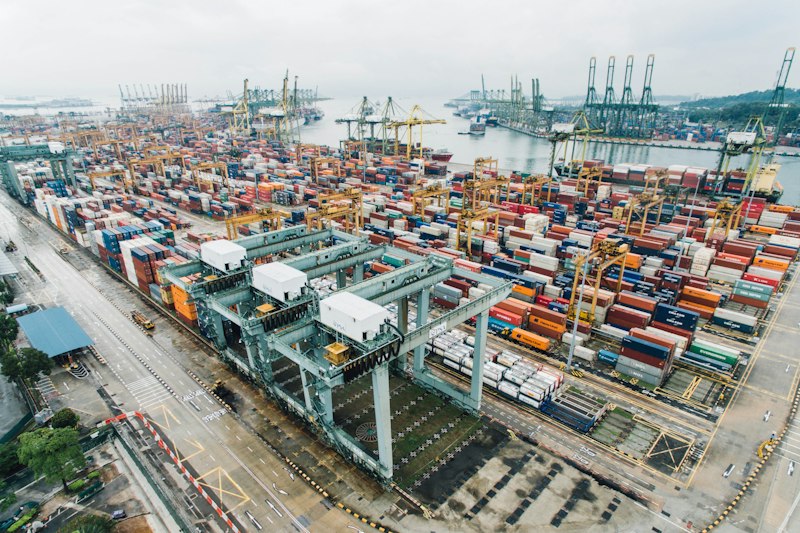
AbroadSign provides freight forwarders with an integrated electronic signature platform designed specifically for the complexities of international logistics documentation. Our platform supports DCSA-compliant electronic bills of lading with full transfer functionality, multi-party signing workflows that accommodate shippers, carriers, consignees, and customs authorities in any sequence, and automated compliance checks that ensure documents meet the signature requirements of every jurisdiction involved in a shipment.
Our freight forwarding solution integrates with major transportation management systems and shipping platforms, enabling document status to update automatically as shipments progress through their journey. The platform generates comprehensive audit trails for every document, capturing all signing events in tamper-evident records that satisfy regulatory requirements in the EU, USA, UK, Singapore, and all other major freight forwarding jurisdictions. With AbroadSign, freight forwarders can transition their documentation workflows from paper to digital without sacrificing the legal defensibility or regulatory compliance that their operations depend on.
| Feature | Benefit for Freight Forwarders |
|---|---|
| DCSA eBL Compliant Signing | Eliminate paper bills of lading with legally recognized electronic equivalents |
| Multi-Party Sequential Signing | Route documents to multiple signers in configurable sequences with automatic reminders |
| Trade Lane Compliance Engine | Apply correct signature standards automatically based on origin and destination jurisdictions |
| Real-Time Document Tracking | Monitor document status across all active shipments from a single dashboard |
| Customs-Ready Audit Trails | Satisfy WCO SAFE Framework requirements with court-admissible signing records |
Conclusion: Digital Documentation as Competitive Advantage
Freight forwarders who embrace electronic signatures gain a decisive competitive advantage in markets where speed, accuracy, and reliability determine market share. Digitizing document workflows reduces operational costs, accelerates shipment processing, eliminates the risk of lost or delayed documents, and positions forwarders to offer their own customers faster, more transparent document handling as part of a premium service offering. The transition from paper to digital documentation is not a future-state aspiration—it is a present-day competitive necessity that forwarders who delay will find increasingly difficult to close.