
Electronic Signature API Integration: A Developer’s Guide to Cross-Border Document Signing
Modern enterprises require seamless integration between electronic signature platforms and their existing business applications. The electronic signature API serves as the bridge that enables developers to embed document signing capabilities directly into websites, mobile applications, and enterprise software systems. For organizations operating across multiple countries, selecting an API that supports international signature standards and cross-border legal requirements is essential.
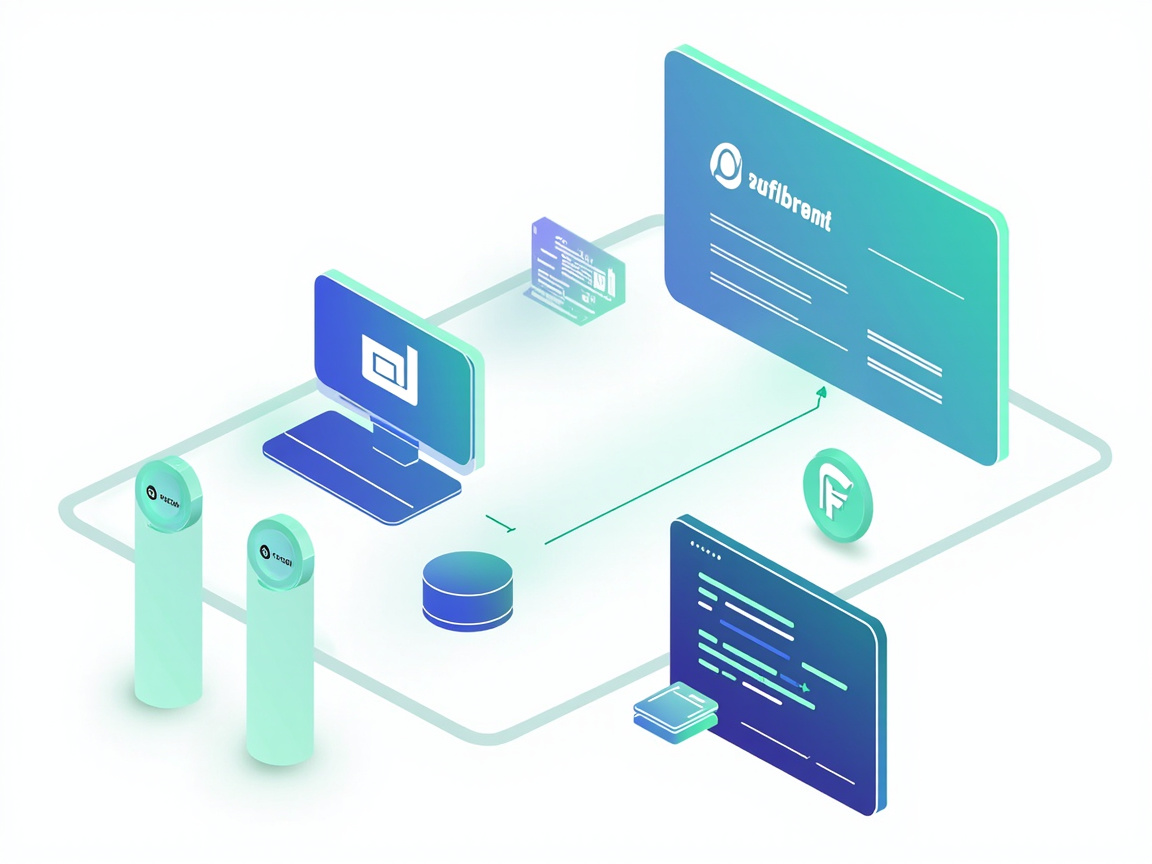
Why Integrate Electronic Signature APIs
Building signature capabilities directly into your applications eliminates the friction that occurs when users must switch between systems to complete document signing. E-commerce platforms can present purchase agreements for signing at checkout, reducing disputes and chargebacks. Human Resources systems can automate employee onboarding by presenting offer letters and policies for immediate digital signature. Legal technology platforms can incorporate client engagement letters and engagement terms directly into their workflow.
The business case for API integration extends beyond user experience improvement. Organizations that integrate signature capabilities report significant reductions in agreement cycle times, with documents that previously required days to execute being completed in minutes. This acceleration translates directly to improved cash flow for sales agreements, faster vendor onboarding for procurement, and reduced drop-off rates in any process that requires documented consent or acknowledgement.
Core API Capabilities for Enterprise Integration
A comprehensive electronic signature API should support the complete agreement lifecycle through programmatic interfaces. Document creation endpoints enable applications to upload documents and specify signature recipients with their email addresses or user identifiers. Workflow configuration APIs allow applications to define the sequence of signers and whether parallel or sequential signing is required. Status tracking endpoints provide real-time visibility into agreement progress.
Webhook notifications enable applications to receive real-time updates when signers take action on documents. This event-driven architecture eliminates the need for polling-based status checking and enables responsive user experiences. Common webhook events include document sent, document viewed, signature completed, and document expired. Applications can use these events to update internal records, trigger downstream processes, and communicate with users.
API-first design principles ensure that electronic signature capabilities can be embedded anywhere in your technology stack while maintaining the security and compliance standards that regulated industries require.
Supporting Cross-Border Signature Standards
Organizations with international operations must ensure that their integrated signature solution supports the signature standards required in each jurisdiction where they operate. In the European Union, the eIDAS regulation establishes three levels of electronic signatures: Simple Electronic Signatures (SES), Advanced Electronic Signatures (AES), and Qualified Electronic Signatures (QES). QES signatures, which require certificate-based identity verification and signature creation devices meeting specific security standards, carry special legal weight equivalent to handwritten signatures.
The United States recognizes electronic signatures under the ESIGN Act and the Uniform Electronic Transactions Act (UETA), which establish the legal equivalence of electronic and handwritten signatures in most contexts. However, certain industries and document types remain subject to specific requirements. The FDA’s 21 CFR Part 11 regulations for pharmaceutical records and the SEC’s requirements for broker-dealer communications impose additional controls that signature platforms must support.

Security and Authentication Considerations
The security of document signing workflows depends on robust authentication of signers before they are permitted to execute agreements. API-integrated signature solutions should support multiple authentication methods appropriate to the risk level of the transactions being processed. Low-risk scenarios may rely on email-based authentication with knowledge-based verification. High-value transactions may require multi-factor authentication combining password, SMS verification, or integration with identity providers supporting OAuth or SAML protocols.
The cryptographic integrity of signed documents must be maintained throughout their lifecycle. Documents should be hash-protected at the moment of signing, with hash values recorded in audit trails that cannot be altered. Storage of signed documents should employ encryption at rest, and access controls should limit document retrieval to authorized parties. Compliance frameworks such as SOC 2 Type II and ISO 27001 provide independent assurance that platforms maintain appropriate security controls.
Developer Experience and Documentation
The quality of API documentation directly impacts integration project success and ongoing developer productivity. Comprehensive documentation should include getting started guides that walk through basic integration scenarios, detailed endpoint references specifying request and response formats with example payloads, code samples in multiple programming languages demonstrating common use cases, and troubleshooting guides addressing frequently encountered issues.
AbroadSign provides extensive developer resources including interactive API documentation with live testing capabilities, SDKs for popular programming languages, and responsive technical support for integration questions. Our developer portal serves as the central hub for accessing all technical resources and engaging with our developer community.
Best Practices for API Integration
- Implement exponential backoff for retry logic when handling API rate limits or transient errors
- Store signed document metadata and audit trails in your systems as primary records
- Use sandbox environments for integration testing before moving to production
- Subscribe to webhook events for real-time status updates rather than polling endpoints
- Implement proper error handling and logging for all API interactions
- Plan for internationalization requirements when designing signature workflows
Building for Scale and Reliability
Enterprise-grade signature integrations must be designed for high availability and performance at scale. API integrations should implement circuit breaker patterns that prevent cascade failures when upstream services experience issues. Queue-based processing for high-volume scenarios ensures that signature requests are handled reliably even during traffic spikes. Geographic distribution of API endpoints can reduce latency for globally distributed user bases.
Monitoring and observability capabilities enable operations teams to maintain service quality and quickly identify issues affecting signature workflows. Key metrics to track include API response times, error rates by endpoint, signature completion rates, and webhook delivery success rates. Alerting thresholds should be configured to notify on-call personnel before issues impact large numbers of users.
Start Building with AbroadSign’s API
AbroadSign’s electronic signature API provides comprehensive capabilities for embedding document signing into any application. Our RESTful API supports the complete agreement lifecycle, integrates with enterprise identity systems, and meets the compliance requirements of regulated industries worldwide. Access our developer portal to explore the full API reference, test integration scenarios in our sandbox environment, and connect with our technical team.
Ready to integrate electronic signatures into your application? Contact our developer solutions team to discuss your integration requirements and discover how AbroadSign can support your cross-border document signing needs.