
For organizations ready to begin their eBL journey, AbroadSign provides comprehensive digital signature integration that supports electronic Bill of Lading workflows alongside our established cross-border document automation platform. Our solution ensures every eBL transfer is executed with bank-grade security, full audit trails, and compliance with international trade documentation standards. The future of international trade documentation is digital, and the electronic Bill of Lading is leading this transformation. Organizations that embrace eBL today position themselves at the forefront of trade innovation while building the operational capabilities needed for tomorrow’s global supply chains. This comprehensive guide to electronic Bills of Lading is part of AbroadSign’s ongoing commitment to数字化 documentation excellence in international trade. For more information about our digital trade solutions, explore our Document Workflow Automation resources or contact our team directly. Successfully implementing electronic Bill of Lading systems requires careful attention to integration architecture, change management, and stakeholder training. Organizations that rush the implementation often face adoption resistance and integration challenges that could have been avoided with proper planning. The most successful eBL deployments typically follow a phased approach that begins with pilot programs on low-risk trade routes before expanding to full portfolio coverage. This approach allows organizations to develop internal expertise and refine operational procedures without exposing core business processes to unnecessary risk. Partner coordination is critical—every party in the trade documentation chain must be able to participate in the eBL workflow for maximum benefit. Selecting platforms with broad network effects ensures your organization can exchange electronic documents with the widest possible range of counterparties and service providers.Adopting eBL is not just a technology project—it’s a transformation of your entire trade documentation ecosystem that requires buy-in from carriers, banks, customs authorities, and cargo interests alike.
— BIMCO, the shipping industry association
For organizations ready to begin their eBL journey, AbroadSign provides comprehensive digital signature integration that supports electronic Bill of Lading workflows alongside our established cross-border document automation platform. Our solution ensures every eBL transfer is executed with bank-grade security, full audit trails, and compliance with international trade documentation standards. The future of international trade documentation is digital, and the electronic Bill of Lading is leading this transformation. Organizations that embrace eBL today position themselves at the forefront of trade innovation while building the operational capabilities needed for tomorrow’s global supply chains. This comprehensive guide to electronic Bills of Lading is part of AbroadSign’s ongoing commitment to数字化 documentation excellence in international trade. For more information about our digital trade solutions, explore our Document Workflow Automation resources or contact our team directly. Successfully implementing electronic Bill of Lading systems requires careful attention to integration architecture, change management, and stakeholder training. Organizations that rush the implementation often face adoption resistance and integration challenges that could have been avoided with proper planning. The most successful eBL deployments typically follow a phased approach that begins with pilot programs on low-risk trade routes before expanding to full portfolio coverage. This approach allows organizations to develop internal expertise and refine operational procedures without exposing core business processes to unnecessary risk. Partner coordination is critical—every party in the trade documentation chain must be able to participate in the eBL workflow for maximum benefit. Selecting platforms with broad network effects ensures your organization can exchange electronic documents with the widest possible range of counterparties and service providers.Adopting eBL is not just a technology project—it’s a transformation of your entire trade documentation ecosystem that requires buy-in from carriers, banks, customs authorities, and cargo interests alike.
— BIMCO, the shipping industry association
For organizations ready to begin their eBL journey, AbroadSign provides comprehensive digital signature integration that supports electronic Bill of Lading workflows alongside our established cross-border document automation platform. Our solution ensures every eBL transfer is executed with bank-grade security, full audit trails, and compliance with international trade documentation standards. The future of international trade documentation is digital, and the electronic Bill of Lading is leading this transformation. Organizations that embrace eBL today position themselves at the forefront of trade innovation while building the operational capabilities needed for tomorrow’s global supply chains. This comprehensive guide to electronic Bills of Lading is part of AbroadSign’s ongoing commitment to数字化 documentation excellence in international trade. For more information about our digital trade solutions, explore our Document Workflow Automation resources or contact our team directly. These regulations collectively establish that electronic bills of lading carry the same legal weight as paper originals, provided the electronic system meets specified requirements for reliability, integrity, and accessibility. Businesses can confidently adopt eBL solutions knowing their digital documentation will be recognized in courts and regulatory proceedings worldwide.Adopting eBL is not just a technology project—it’s a transformation of your entire trade documentation ecosystem that requires buy-in from carriers, banks, customs authorities, and cargo interests alike.
— BIMCO, the shipping industry association
Implementation Best Practices
Successfully implementing electronic Bill of Lading systems requires careful attention to integration architecture, change management, and stakeholder training. Organizations that rush the implementation often face adoption resistance and integration challenges that could have been avoided with proper planning. The most successful eBL deployments typically follow a phased approach that begins with pilot programs on low-risk trade routes before expanding to full portfolio coverage. This approach allows organizations to develop internal expertise and refine operational procedures without exposing core business processes to unnecessary risk. Partner coordination is critical—every party in the trade documentation chain must be able to participate in the eBL workflow for maximum benefit. Selecting platforms with broad network effects ensures your organization can exchange electronic documents with the widest possible range of counterparties and service providers.For organizations ready to begin their eBL journey, AbroadSign provides comprehensive digital signature integration that supports electronic Bill of Lading workflows alongside our established cross-border document automation platform. Our solution ensures every eBL transfer is executed with bank-grade security, full audit trails, and compliance with international trade documentation standards. The future of international trade documentation is digital, and the electronic Bill of Lading is leading this transformation. Organizations that embrace eBL today position themselves at the forefront of trade innovation while building the operational capabilities needed for tomorrow’s global supply chains. This comprehensive guide to electronic Bills of Lading is part of AbroadSign’s ongoing commitment to数字化 documentation excellence in international trade. For more information about our digital trade solutions, explore our Document Workflow Automation resources or contact our team directly. The legal landscape for electronic bills of lading has evolved significantly over the past decade, with international bodies working to establish harmonized standards that enable cross-border adoption. Understanding this regulatory framework is essential for any organization considering eBL implementation.Adopting eBL is not just a technology project—it’s a transformation of your entire trade documentation ecosystem that requires buy-in from carriers, banks, customs authorities, and cargo interests alike.
— BIMCO, the shipping industry association
- UNCITRAL MLETR (2017): Model law establishing legal framework for electronic transferable records across UN member states.
- EU eIDAS Regulation: Provides EU-wide legal recognition for electronic documents and signatures, including electronic bills of lading.
- US ESIGN Act (2000): Ensures electronic signatures and records have legal validity in US commerce.
- UK Electronic Trade Documents Act (2023): UK-specific legislation enabling electronic bills of lading and trade documents.
- Singapore Electronic Transactions Act: Comprehensive digital trade document framework for Asia-Pacific operations.
Implementation Best Practices
Successfully implementing electronic Bill of Lading systems requires careful attention to integration architecture, change management, and stakeholder training. Organizations that rush the implementation often face adoption resistance and integration challenges that could have been avoided with proper planning. The most successful eBL deployments typically follow a phased approach that begins with pilot programs on low-risk trade routes before expanding to full portfolio coverage. This approach allows organizations to develop internal expertise and refine operational procedures without exposing core business processes to unnecessary risk. Partner coordination is critical—every party in the trade documentation chain must be able to participate in the eBL workflow for maximum benefit. Selecting platforms with broad network effects ensures your organization can exchange electronic documents with the widest possible range of counterparties and service providers.For organizations ready to begin their eBL journey, AbroadSign provides comprehensive digital signature integration that supports electronic Bill of Lading workflows alongside our established cross-border document automation platform. Our solution ensures every eBL transfer is executed with bank-grade security, full audit trails, and compliance with international trade documentation standards. The future of international trade documentation is digital, and the electronic Bill of Lading is leading this transformation. Organizations that embrace eBL today position themselves at the forefront of trade innovation while building the operational capabilities needed for tomorrow’s global supply chains. This comprehensive guide to electronic Bills of Lading is part of AbroadSign’s ongoing commitment to数字化 documentation excellence in international trade. For more information about our digital trade solutions, explore our Document Workflow Automation resources or contact our team directly. The legal equivalence of eBL to paper documents has been established through legislative updates in multiple jurisdictions. The EU eIDAS Regulation, the US ESIGN Act, and UNCITRAL MLETR provide complementary frameworks that recognize electronic transferable records as legally valid substitutes for traditional paper documentation.Adopting eBL is not just a technology project—it’s a transformation of your entire trade documentation ecosystem that requires buy-in from carriers, banks, customs authorities, and cargo interests alike.
— BIMCO, the shipping industry association
Regulatory Framework and Legal Recognition
The legal landscape for electronic bills of lading has evolved significantly over the past decade, with international bodies working to establish harmonized standards that enable cross-border adoption. Understanding this regulatory framework is essential for any organization considering eBL implementation.- UNCITRAL MLETR (2017): Model law establishing legal framework for electronic transferable records across UN member states.
- EU eIDAS Regulation: Provides EU-wide legal recognition for electronic documents and signatures, including electronic bills of lading.
- US ESIGN Act (2000): Ensures electronic signatures and records have legal validity in US commerce.
- UK Electronic Trade Documents Act (2023): UK-specific legislation enabling electronic bills of lading and trade documents.
- Singapore Electronic Transactions Act: Comprehensive digital trade document framework for Asia-Pacific operations.
Implementation Best Practices
Successfully implementing electronic Bill of Lading systems requires careful attention to integration architecture, change management, and stakeholder training. Organizations that rush the implementation often face adoption resistance and integration challenges that could have been avoided with proper planning. The most successful eBL deployments typically follow a phased approach that begins with pilot programs on low-risk trade routes before expanding to full portfolio coverage. This approach allows organizations to develop internal expertise and refine operational procedures without exposing core business processes to unnecessary risk. Partner coordination is critical—every party in the trade documentation chain must be able to participate in the eBL workflow for maximum benefit. Selecting platforms with broad network effects ensures your organization can exchange electronic documents with the widest possible range of counterparties and service providers.For organizations ready to begin their eBL journey, AbroadSign provides comprehensive digital signature integration that supports electronic Bill of Lading workflows alongside our established cross-border document automation platform. Our solution ensures every eBL transfer is executed with bank-grade security, full audit trails, and compliance with international trade documentation standards. The future of international trade documentation is digital, and the electronic Bill of Lading is leading this transformation. Organizations that embrace eBL today position themselves at the forefront of trade innovation while building the operational capabilities needed for tomorrow’s global supply chains. This comprehensive guide to electronic Bills of Lading is part of AbroadSign’s ongoing commitment to数字化 documentation excellence in international trade. For more information about our digital trade solutions, explore our Document Workflow Automation resources or contact our team directly. Unlike traditional bills that require endorsing physical documents and delivering them to the new owner, eBL transfer occurs through cryptographic commands that instantly notify all relevant parties of the ownership change. The carrier’s system updates automatically to reflect the new holder’s details, ensuring every party in the chain maintains access to the current, authoritative record. Most eBL platforms integrate directly with shipping line booking systems, port community systems, and banking platforms to create a seamless end-to-end digital documentation workflow. This integration eliminates the manual data entry errors that plague paper-based documentation and ensures consistency across all trade participants.Adopting eBL is not just a technology project—it’s a transformation of your entire trade documentation ecosystem that requires buy-in from carriers, banks, customs authorities, and cargo interests alike.
— BIMCO, the shipping industry association
| Traditional Paper B/L | Electronic Bill of Lading |
|---|---|
| Transit time: 5-10 days | Transfer time: Minutes |
| Fraud risk: High | Fraud risk: Minimal |
| Cost: $30-50 per document | Cost: Near zero after setup |
| Visibility: Limited, delayed | Visibility: Real-time |
| Storage: Physical warehouse | Storage: Cloud/Distributed |
Regulatory Framework and Legal Recognition
The legal landscape for electronic bills of lading has evolved significantly over the past decade, with international bodies working to establish harmonized standards that enable cross-border adoption. Understanding this regulatory framework is essential for any organization considering eBL implementation.- UNCITRAL MLETR (2017): Model law establishing legal framework for electronic transferable records across UN member states.
- EU eIDAS Regulation: Provides EU-wide legal recognition for electronic documents and signatures, including electronic bills of lading.
- US ESIGN Act (2000): Ensures electronic signatures and records have legal validity in US commerce.
- UK Electronic Trade Documents Act (2023): UK-specific legislation enabling electronic bills of lading and trade documents.
- Singapore Electronic Transactions Act: Comprehensive digital trade document framework for Asia-Pacific operations.
Implementation Best Practices
Successfully implementing electronic Bill of Lading systems requires careful attention to integration architecture, change management, and stakeholder training. Organizations that rush the implementation often face adoption resistance and integration challenges that could have been avoided with proper planning. The most successful eBL deployments typically follow a phased approach that begins with pilot programs on low-risk trade routes before expanding to full portfolio coverage. This approach allows organizations to develop internal expertise and refine operational procedures without exposing core business processes to unnecessary risk. Partner coordination is critical—every party in the trade documentation chain must be able to participate in the eBL workflow for maximum benefit. Selecting platforms with broad network effects ensures your organization can exchange electronic documents with the widest possible range of counterparties and service providers.For organizations ready to begin their eBL journey, AbroadSign provides comprehensive digital signature integration that supports electronic Bill of Lading workflows alongside our established cross-border document automation platform. Our solution ensures every eBL transfer is executed with bank-grade security, full audit trails, and compliance with international trade documentation standards. The future of international trade documentation is digital, and the electronic Bill of Lading is leading this transformation. Organizations that embrace eBL today position themselves at the forefront of trade innovation while building the operational capabilities needed for tomorrow’s global supply chains. This comprehensive guide to electronic Bills of Lading is part of AbroadSign’s ongoing commitment to数字化 documentation excellence in international trade. For more information about our digital trade solutions, explore our Document Workflow Automation resources or contact our team directly. The technical architecture of an electronic Bill of Lading system relies on distributed ledger technology to maintain a secure, synchronized record of cargo ownership across all participating parties. When a shipper loads cargo onto a vessel, the system creates a digital record that can be transferred simply by invoking the transfer function on the platform. Unlike traditional bills that require endorsing physical documents and delivering them to the new owner, eBL transfer occurs through cryptographic commands that instantly notify all relevant parties of the ownership change. The carrier’s system updates automatically to reflect the new holder’s details, ensuring every party in the chain maintains access to the current, authoritative record. Most eBL platforms integrate directly with shipping line booking systems, port community systems, and banking platforms to create a seamless end-to-end digital documentation workflow. This integration eliminates the manual data entry errors that plague paper-based documentation and ensures consistency across all trade participants.Adopting eBL is not just a technology project—it’s a transformation of your entire trade documentation ecosystem that requires buy-in from carriers, banks, customs authorities, and cargo interests alike.
— BIMCO, the shipping industry association
| Traditional Paper B/L | Electronic Bill of Lading |
|---|---|
| Transit time: 5-10 days | Transfer time: Minutes |
| Fraud risk: High | Fraud risk: Minimal |
| Cost: $30-50 per document | Cost: Near zero after setup |
| Visibility: Limited, delayed | Visibility: Real-time |
| Storage: Physical warehouse | Storage: Cloud/Distributed |
Regulatory Framework and Legal Recognition
The legal landscape for electronic bills of lading has evolved significantly over the past decade, with international bodies working to establish harmonized standards that enable cross-border adoption. Understanding this regulatory framework is essential for any organization considering eBL implementation.- UNCITRAL MLETR (2017): Model law establishing legal framework for electronic transferable records across UN member states.
- EU eIDAS Regulation: Provides EU-wide legal recognition for electronic documents and signatures, including electronic bills of lading.
- US ESIGN Act (2000): Ensures electronic signatures and records have legal validity in US commerce.
- UK Electronic Trade Documents Act (2023): UK-specific legislation enabling electronic bills of lading and trade documents.
- Singapore Electronic Transactions Act: Comprehensive digital trade document framework for Asia-Pacific operations.
Implementation Best Practices
Successfully implementing electronic Bill of Lading systems requires careful attention to integration architecture, change management, and stakeholder training. Organizations that rush the implementation often face adoption resistance and integration challenges that could have been avoided with proper planning. The most successful eBL deployments typically follow a phased approach that begins with pilot programs on low-risk trade routes before expanding to full portfolio coverage. This approach allows organizations to develop internal expertise and refine operational procedures without exposing core business processes to unnecessary risk. Partner coordination is critical—every party in the trade documentation chain must be able to participate in the eBL workflow for maximum benefit. Selecting platforms with broad network effects ensures your organization can exchange electronic documents with the widest possible range of counterparties and service providers.For organizations ready to begin their eBL journey, AbroadSign provides comprehensive digital signature integration that supports electronic Bill of Lading workflows alongside our established cross-border document automation platform. Our solution ensures every eBL transfer is executed with bank-grade security, full audit trails, and compliance with international trade documentation standards. The future of international trade documentation is digital, and the electronic Bill of Lading is leading this transformation. Organizations that embrace eBL today position themselves at the forefront of trade innovation while building the operational capabilities needed for tomorrow’s global supply chains. This comprehensive guide to electronic Bills of Lading is part of AbroadSign’s ongoing commitment to数字化 documentation excellence in international trade. For more information about our digital trade solutions, explore our Document Workflow Automation resources or contact our team directly. The technical architecture of an electronic Bill of Lading system relies on distributed ledger technology to maintain a secure, synchronized record of cargo ownership across all participating parties. When a shipper loads cargo onto a vessel, the system creates a digital record that can be transferred simply by invoking the transfer function on the platform. Unlike traditional bills that require endorsing physical documents and delivering them to the new owner, eBL transfer occurs through cryptographic commands that instantly notify all relevant parties of the ownership change. The carrier’s system updates automatically to reflect the new holder’s details, ensuring every party in the chain maintains access to the current, authoritative record. Most eBL platforms integrate directly with shipping line booking systems, port community systems, and banking platforms to create a seamless end-to-end digital documentation workflow. This integration eliminates the manual data entry errors that plague paper-based documentation and ensures consistency across all trade participants.Adopting eBL is not just a technology project—it’s a transformation of your entire trade documentation ecosystem that requires buy-in from carriers, banks, customs authorities, and cargo interests alike.
— BIMCO, the shipping industry association
| Traditional Paper B/L | Electronic Bill of Lading |
|---|---|
| Transit time: 5-10 days | Transfer time: Minutes |
| Fraud risk: High | Fraud risk: Minimal |
| Cost: $30-50 per document | Cost: Near zero after setup |
| Visibility: Limited, delayed | Visibility: Real-time |
| Storage: Physical warehouse | Storage: Cloud/Distributed |
Regulatory Framework and Legal Recognition
The legal landscape for electronic bills of lading has evolved significantly over the past decade, with international bodies working to establish harmonized standards that enable cross-border adoption. Understanding this regulatory framework is essential for any organization considering eBL implementation.- UNCITRAL MLETR (2017): Model law establishing legal framework for electronic transferable records across UN member states.
- EU eIDAS Regulation: Provides EU-wide legal recognition for electronic documents and signatures, including electronic bills of lading.
- US ESIGN Act (2000): Ensures electronic signatures and records have legal validity in US commerce.
- UK Electronic Trade Documents Act (2023): UK-specific legislation enabling electronic bills of lading and trade documents.
- Singapore Electronic Transactions Act: Comprehensive digital trade document framework for Asia-Pacific operations.
Implementation Best Practices
Successfully implementing electronic Bill of Lading systems requires careful attention to integration architecture, change management, and stakeholder training. Organizations that rush the implementation often face adoption resistance and integration challenges that could have been avoided with proper planning. The most successful eBL deployments typically follow a phased approach that begins with pilot programs on low-risk trade routes before expanding to full portfolio coverage. This approach allows organizations to develop internal expertise and refine operational procedures without exposing core business processes to unnecessary risk. Partner coordination is critical—every party in the trade documentation chain must be able to participate in the eBL workflow for maximum benefit. Selecting platforms with broad network effects ensures your organization can exchange electronic documents with the widest possible range of counterparties and service providers.For organizations ready to begin their eBL journey, AbroadSign provides comprehensive digital signature integration that supports electronic Bill of Lading workflows alongside our established cross-border document automation platform. Our solution ensures every eBL transfer is executed with bank-grade security, full audit trails, and compliance with international trade documentation standards. The future of international trade documentation is digital, and the electronic Bill of Lading is leading this transformation. Organizations that embrace eBL today position themselves at the forefront of trade innovation while building the operational capabilities needed for tomorrow’s global supply chains. This comprehensive guide to electronic Bills of Lading is part of AbroadSign’s ongoing commitment to数字化 documentation excellence in international trade. For more information about our digital trade solutions, explore our Document Workflow Automation resources or contact our team directly. Beyond operational efficiency, eBL adoption addresses critical compliance requirements under the UNCITRAL Model Law on Electronic Transferable Records (MLETR), which provides legal framework recognition for electronic documents equivalent to their paper counterparts in international commerce.Adopting eBL is not just a technology project—it’s a transformation of your entire trade documentation ecosystem that requires buy-in from carriers, banks, customs authorities, and cargo interests alike.
— BIMCO, the shipping industry association
How Electronic Bills of Lading Work
The technical architecture of an electronic Bill of Lading system relies on distributed ledger technology to maintain a secure, synchronized record of cargo ownership across all participating parties. When a shipper loads cargo onto a vessel, the system creates a digital record that can be transferred simply by invoking the transfer function on the platform. Unlike traditional bills that require endorsing physical documents and delivering them to the new owner, eBL transfer occurs through cryptographic commands that instantly notify all relevant parties of the ownership change. The carrier’s system updates automatically to reflect the new holder’s details, ensuring every party in the chain maintains access to the current, authoritative record. Most eBL platforms integrate directly with shipping line booking systems, port community systems, and banking platforms to create a seamless end-to-end digital documentation workflow. This integration eliminates the manual data entry errors that plague paper-based documentation and ensures consistency across all trade participants.| Traditional Paper B/L | Electronic Bill of Lading |
|---|---|
| Transit time: 5-10 days | Transfer time: Minutes |
| Fraud risk: High | Fraud risk: Minimal |
| Cost: $30-50 per document | Cost: Near zero after setup |
| Visibility: Limited, delayed | Visibility: Real-time |
| Storage: Physical warehouse | Storage: Cloud/Distributed |
Regulatory Framework and Legal Recognition
The legal landscape for electronic bills of lading has evolved significantly over the past decade, with international bodies working to establish harmonized standards that enable cross-border adoption. Understanding this regulatory framework is essential for any organization considering eBL implementation.- UNCITRAL MLETR (2017): Model law establishing legal framework for electronic transferable records across UN member states.
- EU eIDAS Regulation: Provides EU-wide legal recognition for electronic documents and signatures, including electronic bills of lading.
- US ESIGN Act (2000): Ensures electronic signatures and records have legal validity in US commerce.
- UK Electronic Trade Documents Act (2023): UK-specific legislation enabling electronic bills of lading and trade documents.
- Singapore Electronic Transactions Act: Comprehensive digital trade document framework for Asia-Pacific operations.
Implementation Best Practices
Successfully implementing electronic Bill of Lading systems requires careful attention to integration architecture, change management, and stakeholder training. Organizations that rush the implementation often face adoption resistance and integration challenges that could have been avoided with proper planning. The most successful eBL deployments typically follow a phased approach that begins with pilot programs on low-risk trade routes before expanding to full portfolio coverage. This approach allows organizations to develop internal expertise and refine operational procedures without exposing core business processes to unnecessary risk. Partner coordination is critical—every party in the trade documentation chain must be able to participate in the eBL workflow for maximum benefit. Selecting platforms with broad network effects ensures your organization can exchange electronic documents with the widest possible range of counterparties and service providers.For organizations ready to begin their eBL journey, AbroadSign provides comprehensive digital signature integration that supports electronic Bill of Lading workflows alongside our established cross-border document automation platform. Our solution ensures every eBL transfer is executed with bank-grade security, full audit trails, and compliance with international trade documentation standards. The future of international trade documentation is digital, and the electronic Bill of Lading is leading this transformation. Organizations that embrace eBL today position themselves at the forefront of trade innovation while building the operational capabilities needed for tomorrow’s global supply chains. This comprehensive guide to electronic Bills of Lading is part of AbroadSign’s ongoing commitment to数字化 documentation excellence in international trade. For more information about our digital trade solutions, explore our Document Workflow Automation resources or contact our team directly. Transitioning to electronic bills of lading delivers measurable advantages across every dimension of international shipping operations. The most immediate benefit is the elimination of couriering delays that routinely add 5 to 10 days to cargo delivery times in traditional paper-based systems.Adopting eBL is not just a technology project—it’s a transformation of your entire trade documentation ecosystem that requires buy-in from carriers, banks, customs authorities, and cargo interests alike.
— BIMCO, the shipping industry association
- Faster Processing: Digital bills can be transferred in minutes instead of days, dramatically reducing port dwell times and accelerating cargo release.
- Cost Reduction: The Baltic Exchange estimates global costs of paper Bill of Lading administration at $6 billion annually—eBL eliminates most of these expenses.
- Enhanced Security: Blockchain-based eBL systems create immutable audit trails that prevent fraud, document tampering, and stolen bill fraud entirely.
- Improved Visibility: Real-time tracking of document status and ownership changes enables proactive exception management and supply chain optimization.
- Environmental Impact: A single container shipment can generate up to 40 kg of paper documentation—going digital eliminates this environmental burden.
How Electronic Bills of Lading Work
The technical architecture of an electronic Bill of Lading system relies on distributed ledger technology to maintain a secure, synchronized record of cargo ownership across all participating parties. When a shipper loads cargo onto a vessel, the system creates a digital record that can be transferred simply by invoking the transfer function on the platform. Unlike traditional bills that require endorsing physical documents and delivering them to the new owner, eBL transfer occurs through cryptographic commands that instantly notify all relevant parties of the ownership change. The carrier’s system updates automatically to reflect the new holder’s details, ensuring every party in the chain maintains access to the current, authoritative record. Most eBL platforms integrate directly with shipping line booking systems, port community systems, and banking platforms to create a seamless end-to-end digital documentation workflow. This integration eliminates the manual data entry errors that plague paper-based documentation and ensures consistency across all trade participants.| Traditional Paper B/L | Electronic Bill of Lading |
|---|---|
| Transit time: 5-10 days | Transfer time: Minutes |
| Fraud risk: High | Fraud risk: Minimal |
| Cost: $30-50 per document | Cost: Near zero after setup |
| Visibility: Limited, delayed | Visibility: Real-time |
| Storage: Physical warehouse | Storage: Cloud/Distributed |
Regulatory Framework and Legal Recognition
The legal landscape for electronic bills of lading has evolved significantly over the past decade, with international bodies working to establish harmonized standards that enable cross-border adoption. Understanding this regulatory framework is essential for any organization considering eBL implementation.- UNCITRAL MLETR (2017): Model law establishing legal framework for electronic transferable records across UN member states.
- EU eIDAS Regulation: Provides EU-wide legal recognition for electronic documents and signatures, including electronic bills of lading.
- US ESIGN Act (2000): Ensures electronic signatures and records have legal validity in US commerce.
- UK Electronic Trade Documents Act (2023): UK-specific legislation enabling electronic bills of lading and trade documents.
- Singapore Electronic Transactions Act: Comprehensive digital trade document framework for Asia-Pacific operations.
Implementation Best Practices
Successfully implementing electronic Bill of Lading systems requires careful attention to integration architecture, change management, and stakeholder training. Organizations that rush the implementation often face adoption resistance and integration challenges that could have been avoided with proper planning. The most successful eBL deployments typically follow a phased approach that begins with pilot programs on low-risk trade routes before expanding to full portfolio coverage. This approach allows organizations to develop internal expertise and refine operational procedures without exposing core business processes to unnecessary risk. Partner coordination is critical—every party in the trade documentation chain must be able to participate in the eBL workflow for maximum benefit. Selecting platforms with broad network effects ensures your organization can exchange electronic documents with the widest possible range of counterparties and service providers.For organizations ready to begin their eBL journey, AbroadSign provides comprehensive digital signature integration that supports electronic Bill of Lading workflows alongside our established cross-border document automation platform. Our solution ensures every eBL transfer is executed with bank-grade security, full audit trails, and compliance with international trade documentation standards. The future of international trade documentation is digital, and the electronic Bill of Lading is leading this transformation. Organizations that embrace eBL today position themselves at the forefront of trade innovation while building the operational capabilities needed for tomorrow’s global supply chains. This comprehensive guide to electronic Bills of Lading is part of AbroadSign’s ongoing commitment to数字化 documentation excellence in international trade. For more information about our digital trade solutions, explore our Document Workflow Automation resources or contact our team directly. According to the International Chamber of Commerce, over 80% of global trade is still governed by documents rather than the goods themselves, making the eBL one of the most impactful digital transformation opportunities in the shipping industry. The transition from paper to digital bills of lading is not merely a technological upgrade—it is a complete reimagining of how international trade documentation operates in the modern era. Major shipping giants including Maersk, MSC, and CMA CGM have already launched blockchain-based eBL platforms, signaling a clear industry trajectory toward full digital adoption. These platforms demonstrate that eBL is no longer a theoretical concept but a practical reality operating across major trade routes today.Adopting eBL is not just a technology project—it’s a transformation of your entire trade documentation ecosystem that requires buy-in from carriers, banks, customs authorities, and cargo interests alike.
— BIMCO, the shipping industry association
The electronic Bill of Lading is not just a digital copy of paper—it’s a fundamentally new way of thinking about cargo ownership and transfer in global trade.
— Digital Container Trade Association (DCTA)
Key Benefits of Digital Bills of Lading
Transitioning to electronic bills of lading delivers measurable advantages across every dimension of international shipping operations. The most immediate benefit is the elimination of couriering delays that routinely add 5 to 10 days to cargo delivery times in traditional paper-based systems.- Faster Processing: Digital bills can be transferred in minutes instead of days, dramatically reducing port dwell times and accelerating cargo release.
- Cost Reduction: The Baltic Exchange estimates global costs of paper Bill of Lading administration at $6 billion annually—eBL eliminates most of these expenses.
- Enhanced Security: Blockchain-based eBL systems create immutable audit trails that prevent fraud, document tampering, and stolen bill fraud entirely.
- Improved Visibility: Real-time tracking of document status and ownership changes enables proactive exception management and supply chain optimization.
- Environmental Impact: A single container shipment can generate up to 40 kg of paper documentation—going digital eliminates this environmental burden.
How Electronic Bills of Lading Work
The technical architecture of an electronic Bill of Lading system relies on distributed ledger technology to maintain a secure, synchronized record of cargo ownership across all participating parties. When a shipper loads cargo onto a vessel, the system creates a digital record that can be transferred simply by invoking the transfer function on the platform. Unlike traditional bills that require endorsing physical documents and delivering them to the new owner, eBL transfer occurs through cryptographic commands that instantly notify all relevant parties of the ownership change. The carrier’s system updates automatically to reflect the new holder’s details, ensuring every party in the chain maintains access to the current, authoritative record. Most eBL platforms integrate directly with shipping line booking systems, port community systems, and banking platforms to create a seamless end-to-end digital documentation workflow. This integration eliminates the manual data entry errors that plague paper-based documentation and ensures consistency across all trade participants.| Traditional Paper B/L | Electronic Bill of Lading |
|---|---|
| Transit time: 5-10 days | Transfer time: Minutes |
| Fraud risk: High | Fraud risk: Minimal |
| Cost: $30-50 per document | Cost: Near zero after setup |
| Visibility: Limited, delayed | Visibility: Real-time |
| Storage: Physical warehouse | Storage: Cloud/Distributed |
Regulatory Framework and Legal Recognition
The legal landscape for electronic bills of lading has evolved significantly over the past decade, with international bodies working to establish harmonized standards that enable cross-border adoption. Understanding this regulatory framework is essential for any organization considering eBL implementation.- UNCITRAL MLETR (2017): Model law establishing legal framework for electronic transferable records across UN member states.
- EU eIDAS Regulation: Provides EU-wide legal recognition for electronic documents and signatures, including electronic bills of lading.
- US ESIGN Act (2000): Ensures electronic signatures and records have legal validity in US commerce.
- UK Electronic Trade Documents Act (2023): UK-specific legislation enabling electronic bills of lading and trade documents.
- Singapore Electronic Transactions Act: Comprehensive digital trade document framework for Asia-Pacific operations.
Implementation Best Practices
Successfully implementing electronic Bill of Lading systems requires careful attention to integration architecture, change management, and stakeholder training. Organizations that rush the implementation often face adoption resistance and integration challenges that could have been avoided with proper planning. The most successful eBL deployments typically follow a phased approach that begins with pilot programs on low-risk trade routes before expanding to full portfolio coverage. This approach allows organizations to develop internal expertise and refine operational procedures without exposing core business processes to unnecessary risk. Partner coordination is critical—every party in the trade documentation chain must be able to participate in the eBL workflow for maximum benefit. Selecting platforms with broad network effects ensures your organization can exchange electronic documents with the widest possible range of counterparties and service providers.For organizations ready to begin their eBL journey, AbroadSign provides comprehensive digital signature integration that supports electronic Bill of Lading workflows alongside our established cross-border document automation platform. Our solution ensures every eBL transfer is executed with bank-grade security, full audit trails, and compliance with international trade documentation standards. The future of international trade documentation is digital, and the electronic Bill of Lading is leading this transformation. Organizations that embrace eBL today position themselves at the forefront of trade innovation while building the operational capabilities needed for tomorrow’s global supply chains. This comprehensive guide to electronic Bills of Lading is part of AbroadSign’s ongoing commitment to数字化 documentation excellence in international trade. For more information about our digital trade solutions, explore our Document Workflow Automation resources or contact our team directly. The electronic Bill of Lading (eBL) represents one of the most significant innovations in international maritime trade documentation. Unlike traditional paper-based bills of lading that must be physically transported across borders, the eBL exists entirely in digital format and can be transferred instantaneously between parties worldwide. This fundamental shift in how cargo ownership is documented and transferred has the potential to eliminate the delays, costs, and risks associated with paper-based shipping documentation. According to the International Chamber of Commerce, over 80% of global trade is still governed by documents rather than the goods themselves, making the eBL one of the most impactful digital transformation opportunities in the shipping industry. The transition from paper to digital bills of lading is not merely a technological upgrade—it is a complete reimagining of how international trade documentation operates in the modern era. Major shipping giants including Maersk, MSC, and CMA CGM have already launched blockchain-based eBL platforms, signaling a clear industry trajectory toward full digital adoption. These platforms demonstrate that eBL is no longer a theoretical concept but a practical reality operating across major trade routes today.Adopting eBL is not just a technology project—it’s a transformation of your entire trade documentation ecosystem that requires buy-in from carriers, banks, customs authorities, and cargo interests alike.
— BIMCO, the shipping industry association
The electronic Bill of Lading is not just a digital copy of paper—it’s a fundamentally new way of thinking about cargo ownership and transfer in global trade.
— Digital Container Trade Association (DCTA)
Key Benefits of Digital Bills of Lading
Transitioning to electronic bills of lading delivers measurable advantages across every dimension of international shipping operations. The most immediate benefit is the elimination of couriering delays that routinely add 5 to 10 days to cargo delivery times in traditional paper-based systems.- Faster Processing: Digital bills can be transferred in minutes instead of days, dramatically reducing port dwell times and accelerating cargo release.
- Cost Reduction: The Baltic Exchange estimates global costs of paper Bill of Lading administration at $6 billion annually—eBL eliminates most of these expenses.
- Enhanced Security: Blockchain-based eBL systems create immutable audit trails that prevent fraud, document tampering, and stolen bill fraud entirely.
- Improved Visibility: Real-time tracking of document status and ownership changes enables proactive exception management and supply chain optimization.
- Environmental Impact: A single container shipment can generate up to 40 kg of paper documentation—going digital eliminates this environmental burden.
How Electronic Bills of Lading Work
The technical architecture of an electronic Bill of Lading system relies on distributed ledger technology to maintain a secure, synchronized record of cargo ownership across all participating parties. When a shipper loads cargo onto a vessel, the system creates a digital record that can be transferred simply by invoking the transfer function on the platform. Unlike traditional bills that require endorsing physical documents and delivering them to the new owner, eBL transfer occurs through cryptographic commands that instantly notify all relevant parties of the ownership change. The carrier’s system updates automatically to reflect the new holder’s details, ensuring every party in the chain maintains access to the current, authoritative record. Most eBL platforms integrate directly with shipping line booking systems, port community systems, and banking platforms to create a seamless end-to-end digital documentation workflow. This integration eliminates the manual data entry errors that plague paper-based documentation and ensures consistency across all trade participants.| Traditional Paper B/L | Electronic Bill of Lading |
|---|---|
| Transit time: 5-10 days | Transfer time: Minutes |
| Fraud risk: High | Fraud risk: Minimal |
| Cost: $30-50 per document | Cost: Near zero after setup |
| Visibility: Limited, delayed | Visibility: Real-time |
| Storage: Physical warehouse | Storage: Cloud/Distributed |
Regulatory Framework and Legal Recognition
The legal landscape for electronic bills of lading has evolved significantly over the past decade, with international bodies working to establish harmonized standards that enable cross-border adoption. Understanding this regulatory framework is essential for any organization considering eBL implementation.- UNCITRAL MLETR (2017): Model law establishing legal framework for electronic transferable records across UN member states.
- EU eIDAS Regulation: Provides EU-wide legal recognition for electronic documents and signatures, including electronic bills of lading.
- US ESIGN Act (2000): Ensures electronic signatures and records have legal validity in US commerce.
- UK Electronic Trade Documents Act (2023): UK-specific legislation enabling electronic bills of lading and trade documents.
- Singapore Electronic Transactions Act: Comprehensive digital trade document framework for Asia-Pacific operations.
Implementation Best Practices
Successfully implementing electronic Bill of Lading systems requires careful attention to integration architecture, change management, and stakeholder training. Organizations that rush the implementation often face adoption resistance and integration challenges that could have been avoided with proper planning. The most successful eBL deployments typically follow a phased approach that begins with pilot programs on low-risk trade routes before expanding to full portfolio coverage. This approach allows organizations to develop internal expertise and refine operational procedures without exposing core business processes to unnecessary risk. Partner coordination is critical—every party in the trade documentation chain must be able to participate in the eBL workflow for maximum benefit. Selecting platforms with broad network effects ensures your organization can exchange electronic documents with the widest possible range of counterparties and service providers.For organizations ready to begin their eBL journey, AbroadSign provides comprehensive digital signature integration that supports electronic Bill of Lading workflows alongside our established cross-border document automation platform. Our solution ensures every eBL transfer is executed with bank-grade security, full audit trails, and compliance with international trade documentation standards. The future of international trade documentation is digital, and the electronic Bill of Lading is leading this transformation. Organizations that embrace eBL today position themselves at the forefront of trade innovation while building the operational capabilities needed for tomorrow’s global supply chains. This comprehensive guide to electronic Bills of Lading is part of AbroadSign’s ongoing commitment to数字化 documentation excellence in international trade. For more information about our digital trade solutions, explore our Document Workflow Automation resources or contact our team directly. The electronic Bill of Lading (eBL) represents one of the most significant innovations in international maritime trade documentation. Unlike traditional paper-based bills of lading that must be physically transported across borders, the eBL exists entirely in digital format and can be transferred instantaneously between parties worldwide. This fundamental shift in how cargo ownership is documented and transferred has the potential to eliminate the delays, costs, and risks associated with paper-based shipping documentation. According to the International Chamber of Commerce, over 80% of global trade is still governed by documents rather than the goods themselves, making the eBL one of the most impactful digital transformation opportunities in the shipping industry. The transition from paper to digital bills of lading is not merely a technological upgrade—it is a complete reimagining of how international trade documentation operates in the modern era. Major shipping giants including Maersk, MSC, and CMA CGM have already launched blockchain-based eBL platforms, signaling a clear industry trajectory toward full digital adoption. These platforms demonstrate that eBL is no longer a theoretical concept but a practical reality operating across major trade routes today.Adopting eBL is not just a technology project—it’s a transformation of your entire trade documentation ecosystem that requires buy-in from carriers, banks, customs authorities, and cargo interests alike.
— BIMCO, the shipping industry association
The electronic Bill of Lading is not just a digital copy of paper—it’s a fundamentally new way of thinking about cargo ownership and transfer in global trade.
— Digital Container Trade Association (DCTA)
Key Benefits of Digital Bills of Lading
Transitioning to electronic bills of lading delivers measurable advantages across every dimension of international shipping operations. The most immediate benefit is the elimination of couriering delays that routinely add 5 to 10 days to cargo delivery times in traditional paper-based systems.- Faster Processing: Digital bills can be transferred in minutes instead of days, dramatically reducing port dwell times and accelerating cargo release.
- Cost Reduction: The Baltic Exchange estimates global costs of paper Bill of Lading administration at $6 billion annually—eBL eliminates most of these expenses.
- Enhanced Security: Blockchain-based eBL systems create immutable audit trails that prevent fraud, document tampering, and stolen bill fraud entirely.
- Improved Visibility: Real-time tracking of document status and ownership changes enables proactive exception management and supply chain optimization.
- Environmental Impact: A single container shipment can generate up to 40 kg of paper documentation—going digital eliminates this environmental burden.
How Electronic Bills of Lading Work
The technical architecture of an electronic Bill of Lading system relies on distributed ledger technology to maintain a secure, synchronized record of cargo ownership across all participating parties. When a shipper loads cargo onto a vessel, the system creates a digital record that can be transferred simply by invoking the transfer function on the platform. Unlike traditional bills that require endorsing physical documents and delivering them to the new owner, eBL transfer occurs through cryptographic commands that instantly notify all relevant parties of the ownership change. The carrier’s system updates automatically to reflect the new holder’s details, ensuring every party in the chain maintains access to the current, authoritative record. Most eBL platforms integrate directly with shipping line booking systems, port community systems, and banking platforms to create a seamless end-to-end digital documentation workflow. This integration eliminates the manual data entry errors that plague paper-based documentation and ensures consistency across all trade participants.| Traditional Paper B/L | Electronic Bill of Lading |
|---|---|
| Transit time: 5-10 days | Transfer time: Minutes |
| Fraud risk: High | Fraud risk: Minimal |
| Cost: $30-50 per document | Cost: Near zero after setup |
| Visibility: Limited, delayed | Visibility: Real-time |
| Storage: Physical warehouse | Storage: Cloud/Distributed |
Regulatory Framework and Legal Recognition
The legal landscape for electronic bills of lading has evolved significantly over the past decade, with international bodies working to establish harmonized standards that enable cross-border adoption. Understanding this regulatory framework is essential for any organization considering eBL implementation.- UNCITRAL MLETR (2017): Model law establishing legal framework for electronic transferable records across UN member states.
- EU eIDAS Regulation: Provides EU-wide legal recognition for electronic documents and signatures, including electronic bills of lading.
- US ESIGN Act (2000): Ensures electronic signatures and records have legal validity in US commerce.
- UK Electronic Trade Documents Act (2023): UK-specific legislation enabling electronic bills of lading and trade documents.
- Singapore Electronic Transactions Act: Comprehensive digital trade document framework for Asia-Pacific operations.
Implementation Best Practices
Successfully implementing electronic Bill of Lading systems requires careful attention to integration architecture, change management, and stakeholder training. Organizations that rush the implementation often face adoption resistance and integration challenges that could have been avoided with proper planning. The most successful eBL deployments typically follow a phased approach that begins with pilot programs on low-risk trade routes before expanding to full portfolio coverage. This approach allows organizations to develop internal expertise and refine operational procedures without exposing core business processes to unnecessary risk. Partner coordination is critical—every party in the trade documentation chain must be able to participate in the eBL workflow for maximum benefit. Selecting platforms with broad network effects ensures your organization can exchange electronic documents with the widest possible range of counterparties and service providers.For organizations ready to begin their eBL journey, AbroadSign provides comprehensive digital signature integration that supports electronic Bill of Lading workflows alongside our established cross-border document automation platform. Our solution ensures every eBL transfer is executed with bank-grade security, full audit trails, and compliance with international trade documentation standards. The future of international trade documentation is digital, and the electronic Bill of Lading is leading this transformation. Organizations that embrace eBL today position themselves at the forefront of trade innovation while building the operational capabilities needed for tomorrow’s global supply chains. This comprehensive guide to electronic Bills of Lading is part of AbroadSign’s ongoing commitment to数字化 documentation excellence in international trade. For more information about our digital trade solutions, explore our Document Workflow Automation resources or contact our team directly.Adopting eBL is not just a technology project—it’s a transformation of your entire trade documentation ecosystem that requires buy-in from carriers, banks, customs authorities, and cargo interests alike.
— BIMCO, the shipping industry association
What is an Electronic Bill of Lading (eBL)?
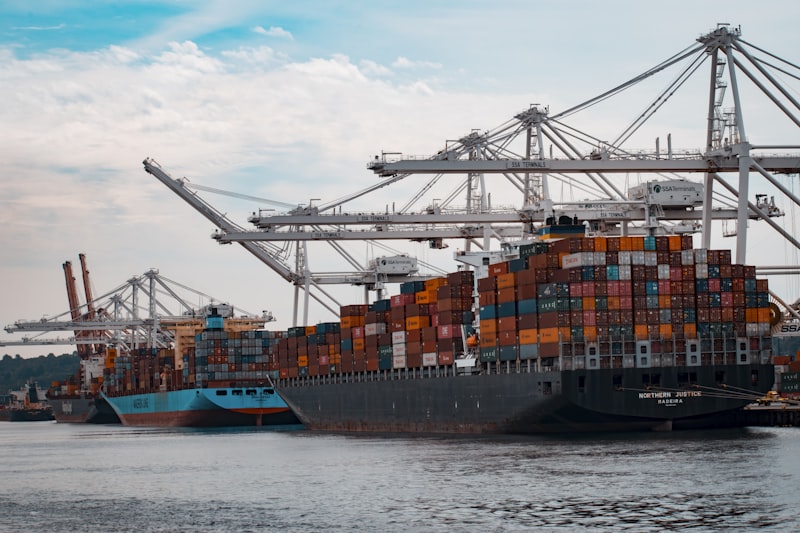
The electronic Bill of Lading (eBL) represents one of the most significant innovations in international maritime trade documentation. Unlike traditional paper-based bills of lading that must be physically transported across borders, the eBL exists entirely in digital format and can be transferred instantaneously between parties worldwide. This fundamental shift in how cargo ownership is documented and transferred has the potential to eliminate the delays, costs, and risks associated with paper-based shipping documentation. According to the International Chamber of Commerce, over 80% of global trade is still governed by documents rather than the goods themselves, making the eBL one of the most impactful digital transformation opportunities in the shipping industry. The transition from paper to digital bills of lading is not merely a technological upgrade—it is a complete reimagining of how international trade documentation operates in the modern era. Major shipping giants including Maersk, MSC, and CMA CGM have already launched blockchain-based eBL platforms, signaling a clear industry trajectory toward full digital adoption. These platforms demonstrate that eBL is no longer a theoretical concept but a practical reality operating across major trade routes today.The electronic Bill of Lading is not just a digital copy of paper—it’s a fundamentally new way of thinking about cargo ownership and transfer in global trade.
— Digital Container Trade Association (DCTA)
Key Benefits of Digital Bills of Lading
Transitioning to electronic bills of lading delivers measurable advantages across every dimension of international shipping operations. The most immediate benefit is the elimination of couriering delays that routinely add 5 to 10 days to cargo delivery times in traditional paper-based systems.- Faster Processing: Digital bills can be transferred in minutes instead of days, dramatically reducing port dwell times and accelerating cargo release.
- Cost Reduction: The Baltic Exchange estimates global costs of paper Bill of Lading administration at $6 billion annually—eBL eliminates most of these expenses.
- Enhanced Security: Blockchain-based eBL systems create immutable audit trails that prevent fraud, document tampering, and stolen bill fraud entirely.
- Improved Visibility: Real-time tracking of document status and ownership changes enables proactive exception management and supply chain optimization.
- Environmental Impact: A single container shipment can generate up to 40 kg of paper documentation—going digital eliminates this environmental burden.
How Electronic Bills of Lading Work
The technical architecture of an electronic Bill of Lading system relies on distributed ledger technology to maintain a secure, synchronized record of cargo ownership across all participating parties. When a shipper loads cargo onto a vessel, the system creates a digital record that can be transferred simply by invoking the transfer function on the platform. Unlike traditional bills that require endorsing physical documents and delivering them to the new owner, eBL transfer occurs through cryptographic commands that instantly notify all relevant parties of the ownership change. The carrier’s system updates automatically to reflect the new holder’s details, ensuring every party in the chain maintains access to the current, authoritative record. Most eBL platforms integrate directly with shipping line booking systems, port community systems, and banking platforms to create a seamless end-to-end digital documentation workflow. This integration eliminates the manual data entry errors that plague paper-based documentation and ensures consistency across all trade participants.| Traditional Paper B/L | Electronic Bill of Lading |
|---|---|
| Transit time: 5-10 days | Transfer time: Minutes |
| Fraud risk: High | Fraud risk: Minimal |
| Cost: $30-50 per document | Cost: Near zero after setup |
| Visibility: Limited, delayed | Visibility: Real-time |
| Storage: Physical warehouse | Storage: Cloud/Distributed |
Regulatory Framework and Legal Recognition
The legal landscape for electronic bills of lading has evolved significantly over the past decade, with international bodies working to establish harmonized standards that enable cross-border adoption. Understanding this regulatory framework is essential for any organization considering eBL implementation.- UNCITRAL MLETR (2017): Model law establishing legal framework for electronic transferable records across UN member states.
- EU eIDAS Regulation: Provides EU-wide legal recognition for electronic documents and signatures, including electronic bills of lading.
- US ESIGN Act (2000): Ensures electronic signatures and records have legal validity in US commerce.
- UK Electronic Trade Documents Act (2023): UK-specific legislation enabling electronic bills of lading and trade documents.
- Singapore Electronic Transactions Act: Comprehensive digital trade document framework for Asia-Pacific operations.
Implementation Best Practices
Successfully implementing electronic Bill of Lading systems requires careful attention to integration architecture, change management, and stakeholder training. Organizations that rush the implementation often face adoption resistance and integration challenges that could have been avoided with proper planning. The most successful eBL deployments typically follow a phased approach that begins with pilot programs on low-risk trade routes before expanding to full portfolio coverage. This approach allows organizations to develop internal expertise and refine operational procedures without exposing core business processes to unnecessary risk. Partner coordination is critical—every party in the trade documentation chain must be able to participate in the eBL workflow for maximum benefit. Selecting platforms with broad network effects ensures your organization can exchange electronic documents with the widest possible range of counterparties and service providers.For organizations ready to begin their eBL journey, AbroadSign provides comprehensive digital signature integration that supports electronic Bill of Lading workflows alongside our established cross-border document automation platform. Our solution ensures every eBL transfer is executed with bank-grade security, full audit trails, and compliance with international trade documentation standards. The future of international trade documentation is digital, and the electronic Bill of Lading is leading this transformation. Organizations that embrace eBL today position themselves at the forefront of trade innovation while building the operational capabilities needed for tomorrow’s global supply chains. This comprehensive guide to electronic Bills of Lading is part of AbroadSign’s ongoing commitment to数字化 documentation excellence in international trade. For more information about our digital trade solutions, explore our Document Workflow Automation resources or contact our team directly.Adopting eBL is not just a technology project—it’s a transformation of your entire trade documentation ecosystem that requires buy-in from carriers, banks, customs authorities, and cargo interests alike.
— BIMCO, the shipping industry association