
- Start with High-Volume Processes — Identify the document types processed most frequently and prioritize automation for these workflows. The quick wins from automating high-volume processes provide immediate value and build organizational confidence in the technology.
- Involve All Stakeholders — Include representatives from operations, finance, legal, and IT departments in the planning process. Each stakeholder brings valuable perspective on requirements and potential implementation challenges.
- Plan for Integration — Map out how the automation platform will connect with existing systems including ERP, shipping platforms, and banking connections. Integration planning should occur early in the selection process to ensure compatibility.
- Establish Clear Metrics — Define success criteria before implementation including processing time reductions, error rate decreases, and cost savings. These metrics provide accountability and help demonstrate the value of the automation investment.
- Train Comprehensively — Provide thorough training on the new workflows for all users including those who will process documents and those who will manage the automation system. Comprehensive training reduces resistance and ensures users can leverage all available features.
To learn more about comprehensive trade documentation solutions, explore our Solutions Overview. For detailed information on platform capabilities, visit our Features Page.
How AbroadSign Powers Document Workflow Automation
AbroadSign provides a comprehensive document workflow automation platform specifically designed for international trade operations. Our solution addresses the unique challenges of cross-border document management while ensuring compliance with the regulatory requirements and banking standards that govern global commerce.
- Template Library — Pre-built templates for all major trade documents including commercial invoices, bills of lading, certificates of origin, and more. Templates can be customized to match specific business requirements and branding guidelines.
- Intelligent Routing — Advanced workflow logic that automatically routes documents to the appropriate parties based on transaction type, geographic location, and role. Sequential and parallel signing configurations handle complex multi-party scenarios.
- Compliance Engine — Automated verification against regulatory requirements, banking standards, and custom business rules. The compliance engine catches potential issues before documents reach recipients, preventing costly rejections and delays.
- Secure Storage — Long-term document retention with complete audit trails that satisfy regulatory requirements and support dispute resolution. Documents remain accessible for the full retention period required by applicable regulations.
- API Integration — Comprehensive API access enables connection with ERP systems, shipping platforms, trade finance applications, and custom internal systems. Our integration team provides dedicated support for enterprise implementations.
For a comprehensive guide to digital signatures in international trade, visit our Digital Signatures Guide. To understand how secure document management builds digital trust, explore our Digital Trust in International Trade resource.
For detailed information on trade finance solutions that integrate with document workflows, see our Trade Finance Solutions page. To explore how electronic bills of lading streamline maritime trade, visit our Electronic Bill of Lading Guide.
Transform Your Trade Documentation Today
The complexity of international trade documentation demands modern solutions that can keep pace with the speed of global commerce. Document workflow automation provides the efficiency, accuracy, and compliance assurance that today’s trading environment requires. Organizations that embrace automation gain competitive advantages through faster processing, reduced errors, and improved relationships with trading partners and financial institutions.
AbroadSign’s workflow automation platform is purpose-built for international trade, providing the features and capabilities that modern trading operations need to succeed. Our solution integrates seamlessly with existing systems while providing the scalability to grow with your business.
- Letter of Credit Transactions — Workflows must handle the strict timeline requirements of LC documents while ensuring compliance with UCP 600 standards. Automated verification against LC terms prevents presentation discrepancies that could result in payment refusal.
- Open Account Trade — Less formal documentation requirements but still需要 complete audit trails and efficient processing. Automation can streamline the invoicing and collection processes while maintaining payment security.
- Documentary Collection — Workflows coordinate documents with banking instructions, managing the release of documents against acceptance or payment as specified in the collection terms.
- Multi-Modal Shipments — Complex supply chains involving sea, air, and land transport require workflows that can handle different document types at each transit point while maintaining overall transaction integrity.
Integration with Trade Finance Operations
Document workflow automation provides particular value when integrated with trade finance operations. The tight coupling between document presentation and payment release creates opportunities for efficiency gains that benefit both buyers and sellers while reducing risk for financing banks.
| Finance Product | Automation Benefits | Key Integration Points |
|---|---|---|
| Letter of Credit | Automatic discrepancy checking, faster presentation | Bank systems, UCP 600 rules engine |
| Factoring | Automated invoice verification, instant funding eligibility | ERP, credit assessment systems |
| Supply Chain Finance | Real-time document validation, dynamic discounting | Buyer ERP, supplier portal |
| Trade Credit Insurance | Automated claim documentation, loss prevention | Risk monitoring, claims systems |
For more information on how document automation supports Letter of Credit operations, visit our Letter of Credit Operations Guide. To understand the regulatory framework governing documentary credits, see our UCP 600 Reference Guide.
Best Practices for Implementing Workflow Automation
Successful implementation of document workflow automation requires careful planning and execution. Organizations that skip the planning phase often encounter resistance from staff, integration challenges with existing systems, and underutilization of the automation capabilities they have deployed.
- Start with High-Volume Processes — Identify the document types processed most frequently and prioritize automation for these workflows. The quick wins from automating high-volume processes provide immediate value and build organizational confidence in the technology.
- Involve All Stakeholders — Include representatives from operations, finance, legal, and IT departments in the planning process. Each stakeholder brings valuable perspective on requirements and potential implementation challenges.
- Plan for Integration — Map out how the automation platform will connect with existing systems including ERP, shipping platforms, and banking connections. Integration planning should occur early in the selection process to ensure compatibility.
- Establish Clear Metrics — Define success criteria before implementation including processing time reductions, error rate decreases, and cost savings. These metrics provide accountability and help demonstrate the value of the automation investment.
- Train Comprehensively — Provide thorough training on the new workflows for all users including those who will process documents and those who will manage the automation system. Comprehensive training reduces resistance and ensures users can leverage all available features.
To learn more about comprehensive trade documentation solutions, explore our Solutions Overview. For detailed information on platform capabilities, visit our Features Page.
How AbroadSign Powers Document Workflow Automation
AbroadSign provides a comprehensive document workflow automation platform specifically designed for international trade operations. Our solution addresses the unique challenges of cross-border document management while ensuring compliance with the regulatory requirements and banking standards that govern global commerce.
- Template Library — Pre-built templates for all major trade documents including commercial invoices, bills of lading, certificates of origin, and more. Templates can be customized to match specific business requirements and branding guidelines.
- Intelligent Routing — Advanced workflow logic that automatically routes documents to the appropriate parties based on transaction type, geographic location, and role. Sequential and parallel signing configurations handle complex multi-party scenarios.
- Compliance Engine — Automated verification against regulatory requirements, banking standards, and custom business rules. The compliance engine catches potential issues before documents reach recipients, preventing costly rejections and delays.
- Secure Storage — Long-term document retention with complete audit trails that satisfy regulatory requirements and support dispute resolution. Documents remain accessible for the full retention period required by applicable regulations.
- API Integration — Comprehensive API access enables connection with ERP systems, shipping platforms, trade finance applications, and custom internal systems. Our integration team provides dedicated support for enterprise implementations.
For a comprehensive guide to digital signatures in international trade, visit our Digital Signatures Guide. To understand how secure document management builds digital trust, explore our Digital Trust in International Trade resource.
For detailed information on trade finance solutions that integrate with document workflows, see our Trade Finance Solutions page. To explore how electronic bills of lading streamline maritime trade, visit our Electronic Bill of Lading Guide.
Transform Your Trade Documentation Today
The complexity of international trade documentation demands modern solutions that can keep pace with the speed of global commerce. Document workflow automation provides the efficiency, accuracy, and compliance assurance that today’s trading environment requires. Organizations that embrace automation gain competitive advantages through faster processing, reduced errors, and improved relationships with trading partners and financial institutions.
AbroadSign’s workflow automation platform is purpose-built for international trade, providing the features and capabilities that modern trading operations need to succeed. Our solution integrates seamlessly with existing systems while providing the scalability to grow with your business.
- Document Generation — Automated creation of trade documents from template libraries with data populated from connected systems like ERP, shipping platforms, and accounting software. This eliminates manual data entry errors and ensures consistency across all documentation.
- Multi-Party Routing — Intelligent routing of documents to the appropriate parties based on transaction stage, geographic location, and role. Advanced workflows can handle sequential signatures, parallel processing, and conditional branching based on document content.
- Digital Signature Integration — Incorporation of legally binding electronic signatures that comply with international standards including eIDAS in Europe, ESIGN Act in the United States, and equivalent frameworks in other major trading jurisdictions.
- Compliance Verification — Automated checking of documents against regulatory requirements, banking standards, and internal business rules before they reach recipients. This proactive verification prevents costly rejections and delays downstream.
- Audit Trail and Reporting — Comprehensive logging of all document activities including creation, viewing, modification, signature, and transmission. These audit trails satisfy regulatory requirements and support dispute resolution when issues arise.
Modern workflow automation platforms also provide integration capabilities that connect document processing with the broader technology ecosystem. API connections to shipping carriers, customs systems, and trade finance platforms enable automated data exchange that eliminates redundant data entry and ensures consistency across all systems.
Implementing document workflow automation transformed our operations. We reduced document processing time by 70% in the first six months and virtually eliminated the errors that were causing payment delays under our letters of credit.
— Logistics Director, International Trading Company
Designing Workflows for Different Trade Scenarios
Different types of trade transactions require different workflow configurations. A one-time shipment to a new customer has different documentation requirements than an ongoing supply relationship with established payment terms. Effective automation must accommodate this variability while maintaining processing efficiency.
- Letter of Credit Transactions — Workflows must handle the strict timeline requirements of LC documents while ensuring compliance with UCP 600 standards. Automated verification against LC terms prevents presentation discrepancies that could result in payment refusal.
- Open Account Trade — Less formal documentation requirements but still需要 complete audit trails and efficient processing. Automation can streamline the invoicing and collection processes while maintaining payment security.
- Documentary Collection — Workflows coordinate documents with banking instructions, managing the release of documents against acceptance or payment as specified in the collection terms.
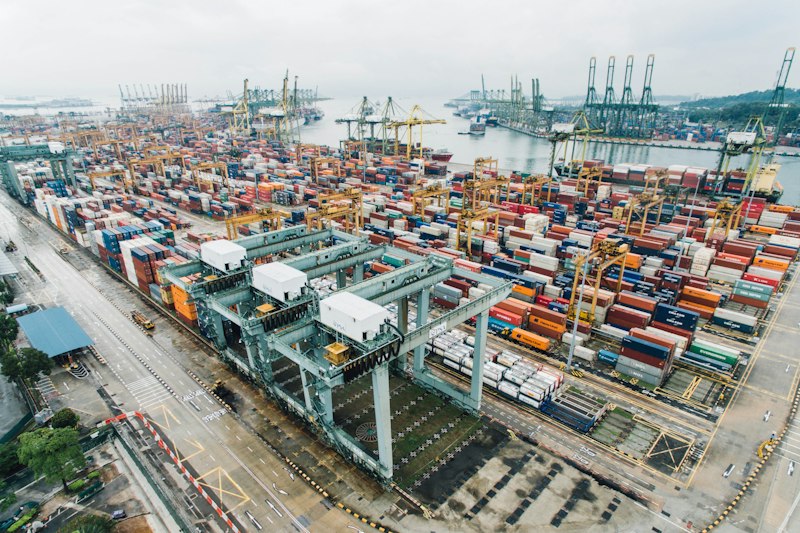
- Multi-Modal Shipments — Complex supply chains involving sea, air, and land transport require workflows that can handle different document types at each transit point while maintaining overall transaction integrity.
Integration with Trade Finance Operations
Document workflow automation provides particular value when integrated with trade finance operations. The tight coupling between document presentation and payment release creates opportunities for efficiency gains that benefit both buyers and sellers while reducing risk for financing banks.
| Finance Product | Automation Benefits | Key Integration Points |
|---|---|---|
| Letter of Credit | Automatic discrepancy checking, faster presentation | Bank systems, UCP 600 rules engine |
| Factoring | Automated invoice verification, instant funding eligibility | ERP, credit assessment systems |
| Supply Chain Finance | Real-time document validation, dynamic discounting | Buyer ERP, supplier portal |
| Trade Credit Insurance | Automated claim documentation, loss prevention | Risk monitoring, claims systems |
For more information on how document automation supports Letter of Credit operations, visit our Letter of Credit Operations Guide. To understand the regulatory framework governing documentary credits, see our UCP 600 Reference Guide.
Best Practices for Implementing Workflow Automation
Successful implementation of document workflow automation requires careful planning and execution. Organizations that skip the planning phase often encounter resistance from staff, integration challenges with existing systems, and underutilization of the automation capabilities they have deployed.
- Start with High-Volume Processes — Identify the document types processed most frequently and prioritize automation for these workflows. The quick wins from automating high-volume processes provide immediate value and build organizational confidence in the technology.
- Involve All Stakeholders — Include representatives from operations, finance, legal, and IT departments in the planning process. Each stakeholder brings valuable perspective on requirements and potential implementation challenges.
- Plan for Integration — Map out how the automation platform will connect with existing systems including ERP, shipping platforms, and banking connections. Integration planning should occur early in the selection process to ensure compatibility.
- Establish Clear Metrics — Define success criteria before implementation including processing time reductions, error rate decreases, and cost savings. These metrics provide accountability and help demonstrate the value of the automation investment.
- Train Comprehensively — Provide thorough training on the new workflows for all users including those who will process documents and those who will manage the automation system. Comprehensive training reduces resistance and ensures users can leverage all available features.
To learn more about comprehensive trade documentation solutions, explore our Solutions Overview. For detailed information on platform capabilities, visit our Features Page.
How AbroadSign Powers Document Workflow Automation
AbroadSign provides a comprehensive document workflow automation platform specifically designed for international trade operations. Our solution addresses the unique challenges of cross-border document management while ensuring compliance with the regulatory requirements and banking standards that govern global commerce.
- Template Library — Pre-built templates for all major trade documents including commercial invoices, bills of lading, certificates of origin, and more. Templates can be customized to match specific business requirements and branding guidelines.
- Intelligent Routing — Advanced workflow logic that automatically routes documents to the appropriate parties based on transaction type, geographic location, and role. Sequential and parallel signing configurations handle complex multi-party scenarios.
- Compliance Engine — Automated verification against regulatory requirements, banking standards, and custom business rules. The compliance engine catches potential issues before documents reach recipients, preventing costly rejections and delays.
- Secure Storage — Long-term document retention with complete audit trails that satisfy regulatory requirements and support dispute resolution. Documents remain accessible for the full retention period required by applicable regulations.
- API Integration — Comprehensive API access enables connection with ERP systems, shipping platforms, trade finance applications, and custom internal systems. Our integration team provides dedicated support for enterprise implementations.
For a comprehensive guide to digital signatures in international trade, visit our Digital Signatures Guide. To understand how secure document management builds digital trust, explore our Digital Trust in International Trade resource.
For detailed information on trade finance solutions that integrate with document workflows, see our Trade Finance Solutions page. To explore how electronic bills of lading streamline maritime trade, visit our Electronic Bill of Lading Guide.
Transform Your Trade Documentation Today
The complexity of international trade documentation demands modern solutions that can keep pace with the speed of global commerce. Document workflow automation provides the efficiency, accuracy, and compliance assurance that today’s trading environment requires. Organizations that embrace automation gain competitive advantages through faster processing, reduced errors, and improved relationships with trading partners and financial institutions.
AbroadSign’s workflow automation platform is purpose-built for international trade, providing the features and capabilities that modern trading operations need to succeed. Our solution integrates seamlessly with existing systems while providing the scalability to grow with your business.

Document workflow automation has become essential for businesses engaged in international trade, where the complexity of coordinating documents across multiple parties, jurisdictions, and time zones can overwhelm even the most experienced operations teams. Modern trade document management requires more than simple file storage—it demands intelligent automation that can handle the unique requirements of cross-border commerce while maintaining compliance with international regulations and banking standards.
The Challenge of Manual Trade Document Processing
Traditional trade document workflows rely heavily on manual processes that have remained largely unchanged for decades. Documents travel between shippers, carriers, banks, customs authorities, and receivers through a combination of email, courier services, and in-person exchanges. Each transition creates opportunities for delays, errors, and lost documents that can halt entire supply chains and result in significant financial losses.
The volume of documents involved in international trade is staggering. A single shipment might require a commercial invoice, packing list, bill of lading, certificate of origin, insurance certificate, and various regulatory declarations—each potentially involving multiple parties across different countries. When these documents must be coordinated with payment terms, customs clearance windows, and delivery schedules, the complexity multiplies exponentially. Manual handling simply cannot keep pace with the demands of modern global trade.
| Document Type | Typical Processing Time | With Automation | Time Saved |
|---|---|---|---|
| Commercial Invoice | 45 minutes | 5 minutes | 40 minutes |
| Bill of Lading | 2-3 hours | 15 minutes | 2+ hours |
| Certificate of Origin | 1-2 days | 30 minutes | 1-2 days |
| Letter of Credit Documents | 4-6 hours | 45 minutes | 3-5 hours |
Core Components of Automated Trade Document Workflows
Effective document workflow automation integrates several key components that work together to create a seamless processing environment. Understanding these components helps businesses evaluate their current processes and identify opportunities for improvement through automation technology.
- Document Generation — Automated creation of trade documents from template libraries with data populated from connected systems like ERP, shipping platforms, and accounting software. This eliminates manual data entry errors and ensures consistency across all documentation.
- Multi-Party Routing — Intelligent routing of documents to the appropriate parties based on transaction stage, geographic location, and role. Advanced workflows can handle sequential signatures, parallel processing, and conditional branching based on document content.
- Digital Signature Integration — Incorporation of legally binding electronic signatures that comply with international standards including eIDAS in Europe, ESIGN Act in the United States, and equivalent frameworks in other major trading jurisdictions.
- Compliance Verification — Automated checking of documents against regulatory requirements, banking standards, and internal business rules before they reach recipients. This proactive verification prevents costly rejections and delays downstream.
- Audit Trail and Reporting — Comprehensive logging of all document activities including creation, viewing, modification, signature, and transmission. These audit trails satisfy regulatory requirements and support dispute resolution when issues arise.
Modern workflow automation platforms also provide integration capabilities that connect document processing with the broader technology ecosystem. API connections to shipping carriers, customs systems, and trade finance platforms enable automated data exchange that eliminates redundant data entry and ensures consistency across all systems.
Implementing document workflow automation transformed our operations. We reduced document processing time by 70% in the first six months and virtually eliminated the errors that were causing payment delays under our letters of credit.
— Logistics Director, International Trading Company
Designing Workflows for Different Trade Scenarios
Different types of trade transactions require different workflow configurations. A one-time shipment to a new customer has different documentation requirements than an ongoing supply relationship with established payment terms. Effective automation must accommodate this variability while maintaining processing efficiency.
- Letter of Credit Transactions — Workflows must handle the strict timeline requirements of LC documents while ensuring compliance with UCP 600 standards. Automated verification against LC terms prevents presentation discrepancies that could result in payment refusal.
- Open Account Trade — Less formal documentation requirements but still需要 complete audit trails and efficient processing. Automation can streamline the invoicing and collection processes while maintaining payment security.
- Documentary Collection — Workflows coordinate documents with banking instructions, managing the release of documents against acceptance or payment as specified in the collection terms.
- Multi-Modal Shipments — Complex supply chains involving sea, air, and land transport require workflows that can handle different document types at each transit point while maintaining overall transaction integrity.
Integration with Trade Finance Operations
Document workflow automation provides particular value when integrated with trade finance operations. The tight coupling between document presentation and payment release creates opportunities for efficiency gains that benefit both buyers and sellers while reducing risk for financing banks.
| Finance Product | Automation Benefits | Key Integration Points |
|---|---|---|
| Letter of Credit | Automatic discrepancy checking, faster presentation | Bank systems, UCP 600 rules engine |
| Factoring | Automated invoice verification, instant funding eligibility | ERP, credit assessment systems |
| Supply Chain Finance | Real-time document validation, dynamic discounting | Buyer ERP, supplier portal |
| Trade Credit Insurance | Automated claim documentation, loss prevention | Risk monitoring, claims systems |
For more information on how document automation supports Letter of Credit operations, visit our Letter of Credit Operations Guide. To understand the regulatory framework governing documentary credits, see our UCP 600 Reference Guide.
Best Practices for Implementing Workflow Automation
Successful implementation of document workflow automation requires careful planning and execution. Organizations that skip the planning phase often encounter resistance from staff, integration challenges with existing systems, and underutilization of the automation capabilities they have deployed.
- Start with High-Volume Processes — Identify the document types processed most frequently and prioritize automation for these workflows. The quick wins from automating high-volume processes provide immediate value and build organizational confidence in the technology.
- Involve All Stakeholders — Include representatives from operations, finance, legal, and IT departments in the planning process. Each stakeholder brings valuable perspective on requirements and potential implementation challenges.
- Plan for Integration — Map out how the automation platform will connect with existing systems including ERP, shipping platforms, and banking connections. Integration planning should occur early in the selection process to ensure compatibility.
- Establish Clear Metrics — Define success criteria before implementation including processing time reductions, error rate decreases, and cost savings. These metrics provide accountability and help demonstrate the value of the automation investment.
- Train Comprehensively — Provide thorough training on the new workflows for all users including those who will process documents and those who will manage the automation system. Comprehensive training reduces resistance and ensures users can leverage all available features.
To learn more about comprehensive trade documentation solutions, explore our Solutions Overview. For detailed information on platform capabilities, visit our Features Page.
How AbroadSign Powers Document Workflow Automation
AbroadSign provides a comprehensive document workflow automation platform specifically designed for international trade operations. Our solution addresses the unique challenges of cross-border document management while ensuring compliance with the regulatory requirements and banking standards that govern global commerce.
- Template Library — Pre-built templates for all major trade documents including commercial invoices, bills of lading, certificates of origin, and more. Templates can be customized to match specific business requirements and branding guidelines.
- Intelligent Routing — Advanced workflow logic that automatically routes documents to the appropriate parties based on transaction type, geographic location, and role. Sequential and parallel signing configurations handle complex multi-party scenarios.
- Compliance Engine — Automated verification against regulatory requirements, banking standards, and custom business rules. The compliance engine catches potential issues before documents reach recipients, preventing costly rejections and delays.
- Secure Storage — Long-term document retention with complete audit trails that satisfy regulatory requirements and support dispute resolution. Documents remain accessible for the full retention period required by applicable regulations.
- API Integration — Comprehensive API access enables connection with ERP systems, shipping platforms, trade finance applications, and custom internal systems. Our integration team provides dedicated support for enterprise implementations.
For a comprehensive guide to digital signatures in international trade, visit our Digital Signatures Guide. To understand how secure document management builds digital trust, explore our Digital Trust in International Trade resource.
For detailed information on trade finance solutions that integrate with document workflows, see our Trade Finance Solutions page. To explore how electronic bills of lading streamline maritime trade, visit our Electronic Bill of Lading Guide.
Transform Your Trade Documentation Today
The complexity of international trade documentation demands modern solutions that can keep pace with the speed of global commerce. Document workflow automation provides the efficiency, accuracy, and compliance assurance that today’s trading environment requires. Organizations that embrace automation gain competitive advantages through faster processing, reduced errors, and improved relationships with trading partners and financial institutions.
AbroadSign’s workflow automation platform is purpose-built for international trade, providing the features and capabilities that modern trading operations need to succeed. Our solution integrates seamlessly with existing systems while providing the scalability to grow with your business.