
The Freight Forwarding Industry at a Crossroads
The freight forwarding industry stands at a pivotal moment of transformation. Traditional models built on manual processes, phone calls, and paper documentation are giving way to digital platforms that promise greater efficiency, transparency, and customer satisfaction. This shift has accelerated dramatically, driven by customer expectations, competitive pressures, and the operational demands of increasingly complex global supply chains.
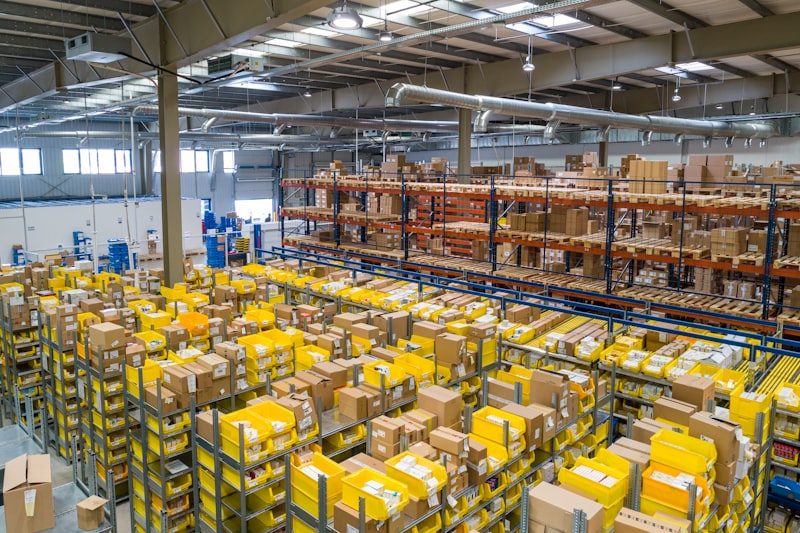
Freight forwarders who embrace digital transformation gain significant competitive advantages. They can offer real-time tracking, automated documentation, seamless integration with carriers and customs authorities, and faster response to customer inquiries. Those who delay risk falling behind as customers increasingly expect the convenience and transparency that digital platforms provide.
Core Digital Capabilities for Modern Freight Forwarders
Successful digital transformation requires more than just adopting new technology. It requires a comprehensive approach that addresses the multiple dimensions of freight forwarding operations, from booking management to documentation, tracking, and customer service.
| Capability Area | Traditional Approach | Digital Transformation |
|---|---|---|
| Booking Management | Phone calls, emails, manual entry | Online portal, instant confirmation, automated processing |
| Documentation | Paper forms, manual completion | Templates, auto-population, electronic signatures |
| Shipment Tracking | Periodic updates, reactive inquiries | Real-time visibility, proactive notifications |
| Customer Service | Phone queues, delayed responses | Self-service portal, instant chatbot support |
| Accounting | Manual invoicing, delayed reconciliation | Automated billing, instant payment processing |
Each of these capability areas represents an opportunity for efficiency improvement and customer service enhancement. The most successful freight forwarders pursue comprehensive transformation rather than incremental improvements in isolated areas.
Essential Digital Documents in Freight Forwarding
Freight forwarding involves numerous documents that must be prepared, signed, transmitted, and stored correctly. Digital transformation dramatically improves this process while reducing errors and delays that plague paper-based workflows.
- Bill of Lading (B/L) — The primary document of title for ocean freight, now increasingly available in electronic form with the same legal status as paper originals in many jurisdictions.
- Air Waybill (AWB) — The fundamental document for air cargo, fully digitizable and transferable through electronic systems.
- Commercial Invoice — Required for customs clearance, easily generated from system data with automatic currency conversion.
- Packing List — Details cargo contents, weights, and dimensions, automatically created from warehouse management data.
- Certificate of Origin — Certifies where goods were manufactured, required for preferential tariff treatment in many trade agreements.
- Customs Declaration — Official document submitted to customs authorities, increasingly accepted in electronic format.
Digital documentation in freight forwarding reduces processing time by up to 80% and virtually eliminates errors that cause customs delays. The ROI is substantial when considering the cost of demurrage, detention, and missed delivery windows.
— Journal of Commerce and Logistics
The Role of Electronic Signatures in Freight Forwarding
Electronic signatures have become essential to freight forwarding operations, enabling the rapid execution of shipping instructions, carrier agreements, and customs declarations without the delays inherent in paper-based processes.

- Shipper Authorization — Confirm shipping instructions and delegate authority to freight forwarders.
- Carrier Agreements — Execute service contracts with ocean and air carriers through legally binding electronic signatures.
- Customs Bonds — Sign customs bonds and security deposits electronically for expedited clearance.
- Warehouse Receipts — Confirm receipt of goods at warehouse facilities with digital signatures.
- Delivery Confirmations — Obtain electronic proof of delivery from consignees.
The legal validity of electronic signatures in freight forwarding is now well established in most major trading jurisdictions. The EU eIDAS Regulation, US ESIGN Act, and similar legislation in Asia-Pacific countries provide the framework for legally binding digital signatures in shipping contexts.
Integration with Supply Chain Partners
Modern freight forwarding operations require seamless integration with multiple partners including carriers, customs brokers, warehouse operators, and trucking companies. Digital platforms enable this integration while providing the visibility and control that freight forwarders need.
| Integration Type | Data Exchanged | Operational Benefit |
|---|---|---|
| Carrier Systems | Booking confirmations, sailing schedules, container positions | Real-time visibility, automated status updates |
| Customs Platforms | Declaration data, clearance status, duty payments | Faster clearance, reduced paperwork |
| Warehouse Management | Inventory data, packing lists, loading instructions | Accurate documentation, efficient loading |
| ERP Systems | Order data, shipping instructions, cost information | Automated processing, accurate invoicing |
How AbroadSign Supports Freight Forwarding Operations
AbroadSign provides freight forwarders with a comprehensive digital platform for managing shipping documentation and executing legally binding agreements with partners across the supply chain.
- Comprehensive Document Management — Create, sign, and manage all freight forwarding documents from a single platform.
- Legally Binding Electronic Signatures — Execute shipping instructions, carrier agreements, and customs documents with signatures valid in 60+ jurisdictions.
- Automated Workflows — Route documents for approval and signature based on predefined rules, reducing manual intervention.
- Complete Audit Trails — Maintain detailed records of all document activities for compliance and dispute resolution.
- Integration API — Connect with carrier systems, customs platforms, and ERP solutions through our robust API.
To learn more about how AbroadSign supports freight forwarding operations, visit our Industry Solutions page or explore our Platform Features. For understanding how digital documentation integrates with customs processes, see our guide on Electronic Bills of Lading.
Transform Your Freight Forwarding Operations
The freight forwarding industry is undergoing fundamental transformation. Organizations that embrace digital platforms gain significant advantages in efficiency, customer service, and competitive positioning. The transition from paper-based processes to digital documentation and electronic signatures is no longer optional—it is essential for success in the modern logistics landscape.
AbroadSign provides the secure, efficient, and compliant platform that freight forwarders need to succeed in this digital era. Our solution supports the document types, signature requirements, and workflow automation that modern freight forwarding operations demand.
Ready to transform your freight forwarding operations? Start Your Free Trial today and discover how digital documentation can improve your efficiency and customer service.